Conductivity Cell
Conductivity Cell
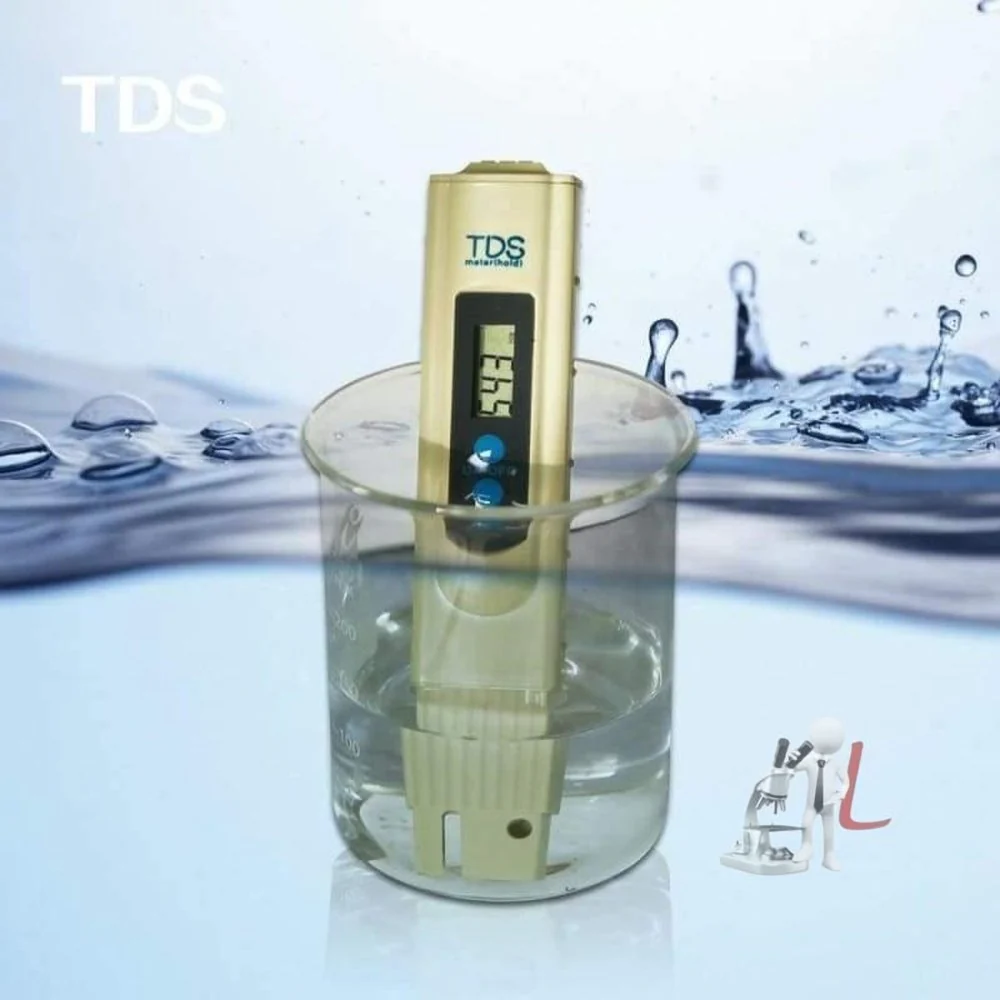
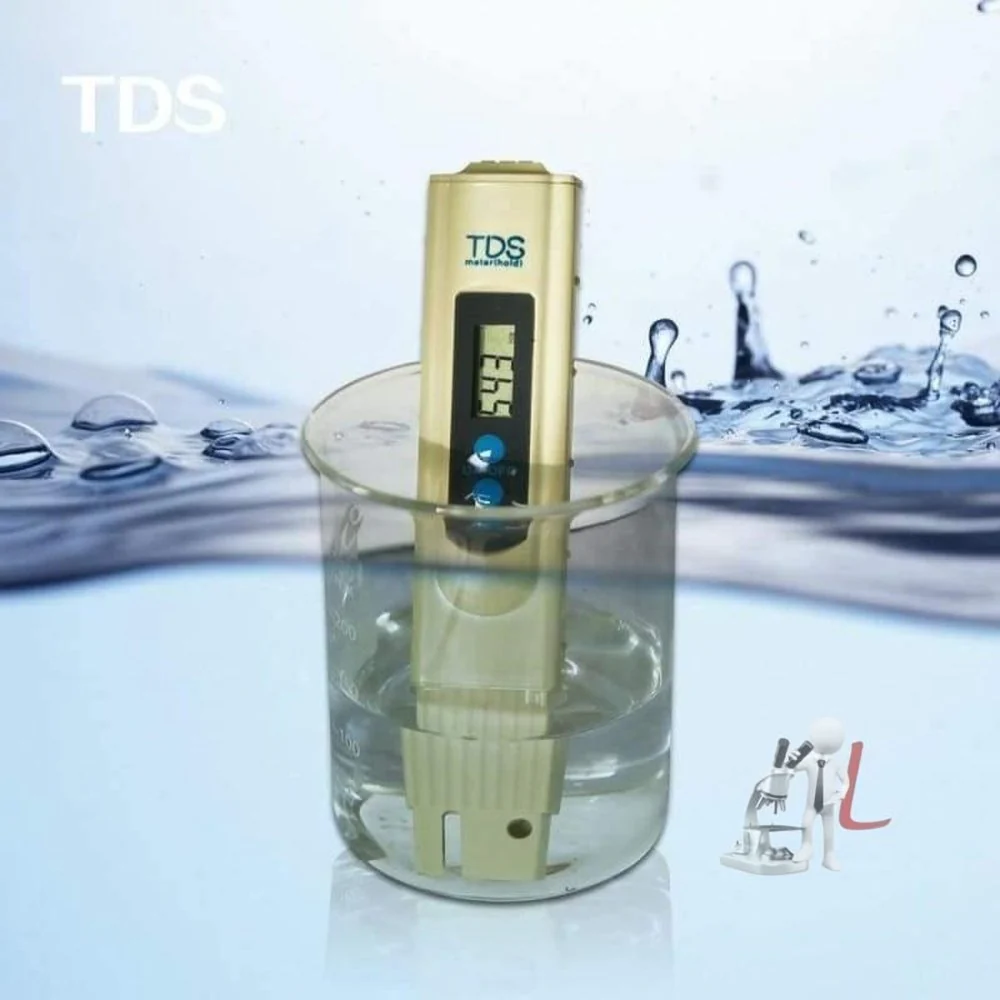
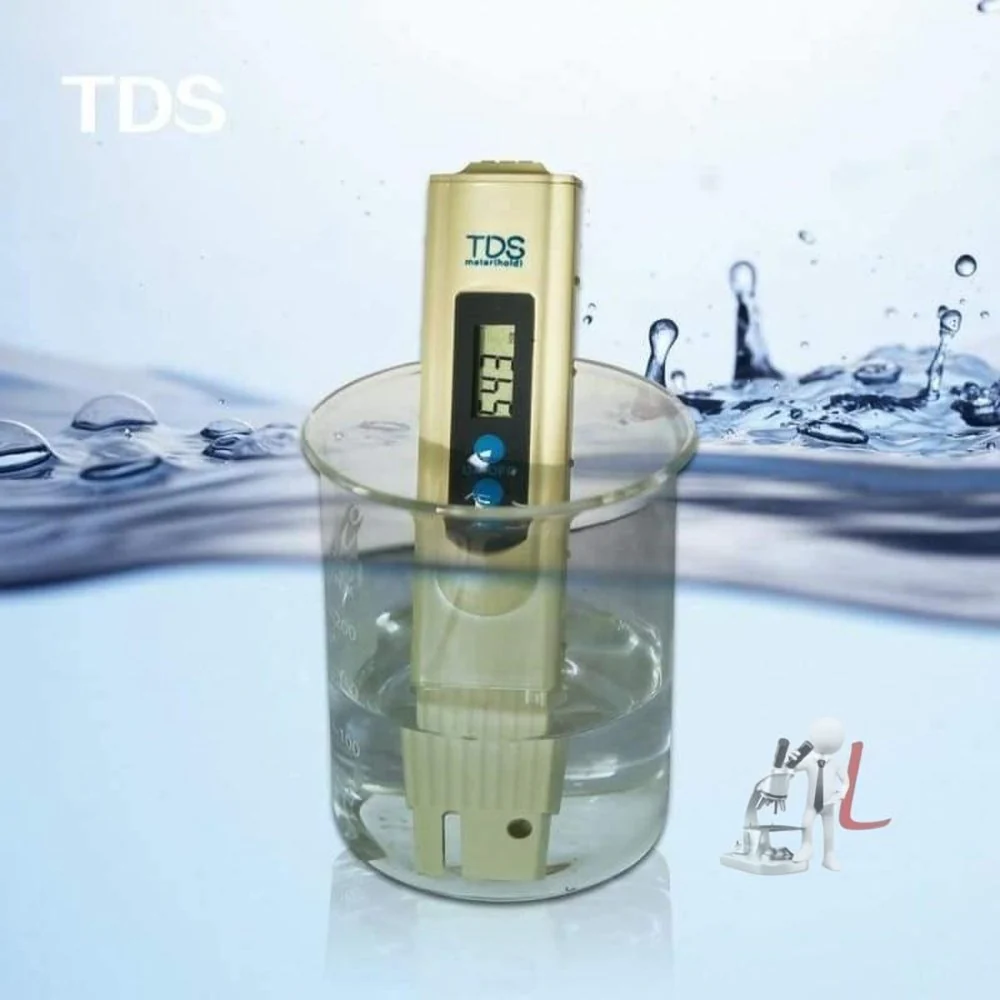
A conductivity cell is a precision instrument used to measure the electrical conductivity of liquids, particularly solutions containing ions. It is an essential component in both laboratory experiments and industrial applications where monitoring the ionic content or purity of a solution is critical. The conductivity cell in chemistry serves as a diagnostic tool for assessing solution conductivity, helping researchers and technicians analyze the concentration of dissolved salts, acids, and bases.

Conductivity Cell Working
The working of a conductivity cell is based on the principle of ohmic resistance. It comprises two electrodes—typically made from chemically resistant materials like platinum or stainless steel—fixed at a known distance apart within a non-conductive body such as glass or plastic. When the cell is immersed in a solution and connected to a conductivity meter, an electrical voltage is applied across the electrodes. The ions in the solution allow current to pass between the electrodes, and the cell measures how easily the current flows, which correlates to the conductivity of the solution.
This conductivity value is affected by factors such as temperature, concentration, ion type, and the distance and surface area of the electrodes. Therefore, conductivity cells are manufactured with specific cell constants (K values), which represent the ratio of the distance between electrodes to their surface area. Common K values include 0.1, 1.0, and 10.0, with each suited for different conductivity ranges.
Conductivity Cell in Chemistry and Industry
In chemistry, conductivity cells are vital for studying electrolytic behavior and ionic interactions in aqueous solutions. For example, during titrations, the conductivity change helps identify the equivalence point. The tool is also used to measure water purity in analytical labs, where even trace amounts of ions can influence the outcome of chemical reactions or pharmaceutical formulations.
Outside the lab, conductivity cells have extensive applications:
-
Water and wastewater treatment: To monitor dissolved solids and ensure regulatory compliance
-
Pharmaceutical manufacturing: For controlling purity in drug production under GMP standards
-
Food and beverage industry: To ensure ingredient consistency and sanitation during processing
-
Chemical and petrochemical industries: For continuous monitoring of process streams
-
Power plants: To detect ionic contamination in boiler feedwater
Thanks to their simple construction and reliable functionality, conductivity cells are often integrated into automated systems for real-time monitoring and control.
Construction and Compatibility
Labpro offers high-quality conductivity cells with robust design features. The electrodes are typically made of platinum black for increased sensitivity and accuracy. The body is constructed from durable materials like glass, epoxy, or plastic to withstand various chemical environments. These cells are compatible with a wide range of conductivity meters and controllers used in both portable and bench-top configurations.
Labpro's conductivity cells also come with different cable lengths, temperature sensors (NTC/PT100/PT1000), and connectors to suit specific needs. Options for submersion, insertion, or flow-through configurations are available for industrial and laboratory setups.
Conductivity Cell Price
When it comes to conductivity cell price, Labpro offers competitive rates while maintaining the highest quality standards. Prices vary depending on the cell constant, material, sensor compatibility, temperature compensation feature, and intended use (lab or industrial). Entry-level models for basic lab use are affordable, while specialized cells for high-temperature or corrosive environments are priced accordingly due to their advanced materials and configurations.
Labpro ensures cost-effective solutions tailored to meet various application requirements without compromising performance. With reliable construction, long service life, and precise results, our conductivity cells provide excellent value at a competitive price.
Whether you're in academia, environmental science, pharmaceuticals, or industry, a conductivity cell is an indispensable tool for monitoring and maintaining solution integrity. Labpro’s range combines durability, precision, and affordability—making it the trusted choice for professionals worldwide.
More: Conductivity Cell
Original: $12.76
-70%$12.76
$3.83Product Information
Product Information
Shipping & Returns
Shipping & Returns
Description
Conductivity Cell
A conductivity cell is a precision instrument used to measure the electrical conductivity of liquids, particularly solutions containing ions. It is an essential component in both laboratory experiments and industrial applications where monitoring the ionic content or purity of a solution is critical. The conductivity cell in chemistry serves as a diagnostic tool for assessing solution conductivity, helping researchers and technicians analyze the concentration of dissolved salts, acids, and bases.
Conductivity Cell Working
The working of a conductivity cell is based on the principle of ohmic resistance. It comprises two electrodes—typically made from chemically resistant materials like platinum or stainless steel—fixed at a known distance apart within a non-conductive body such as glass or plastic. When the cell is immersed in a solution and connected to a conductivity meter, an electrical voltage is applied across the electrodes. The ions in the solution allow current to pass between the electrodes, and the cell measures how easily the current flows, which correlates to the conductivity of the solution.
This conductivity value is affected by factors such as temperature, concentration, ion type, and the distance and surface area of the electrodes. Therefore, conductivity cells are manufactured with specific cell constants (K values), which represent the ratio of the distance between electrodes to their surface area. Common K values include 0.1, 1.0, and 10.0, with each suited for different conductivity ranges.
Conductivity Cell in Chemistry and Industry
In chemistry, conductivity cells are vital for studying electrolytic behavior and ionic interactions in aqueous solutions. For example, during titrations, the conductivity change helps identify the equivalence point. The tool is also used to measure water purity in analytical labs, where even trace amounts of ions can influence the outcome of chemical reactions or pharmaceutical formulations.
Outside the lab, conductivity cells have extensive applications:
-
Water and wastewater treatment: To monitor dissolved solids and ensure regulatory compliance
-
Pharmaceutical manufacturing: For controlling purity in drug production under GMP standards
-
Food and beverage industry: To ensure ingredient consistency and sanitation during processing
-
Chemical and petrochemical industries: For continuous monitoring of process streams
-
Power plants: To detect ionic contamination in boiler feedwater
Thanks to their simple construction and reliable functionality, conductivity cells are often integrated into automated systems for real-time monitoring and control.
Construction and Compatibility
Labpro offers high-quality conductivity cells with robust design features. The electrodes are typically made of platinum black for increased sensitivity and accuracy. The body is constructed from durable materials like glass, epoxy, or plastic to withstand various chemical environments. These cells are compatible with a wide range of conductivity meters and controllers used in both portable and bench-top configurations.
Labpro's conductivity cells also come with different cable lengths, temperature sensors (NTC/PT100/PT1000), and connectors to suit specific needs. Options for submersion, insertion, or flow-through configurations are available for industrial and laboratory setups.
Conductivity Cell Price
When it comes to conductivity cell price, Labpro offers competitive rates while maintaining the highest quality standards. Prices vary depending on the cell constant, material, sensor compatibility, temperature compensation feature, and intended use (lab or industrial). Entry-level models for basic lab use are affordable, while specialized cells for high-temperature or corrosive environments are priced accordingly due to their advanced materials and configurations.
Labpro ensures cost-effective solutions tailored to meet various application requirements without compromising performance. With reliable construction, long service life, and precise results, our conductivity cells provide excellent value at a competitive price.
Whether you're in academia, environmental science, pharmaceuticals, or industry, a conductivity cell is an indispensable tool for monitoring and maintaining solution integrity. Labpro’s range combines durability, precision, and affordability—making it the trusted choice for professionals worldwide.
More: Conductivity Cell