Curd Incubation Chamber
Curd Incubation Chamber: The Essential Tool for Perfect Yogurt
The Curd Incubation Chamber is a vital tool for anyone looking to make yogurt at home or in a professional setting. It provides the optimal environment for the fermentation of milk into curds, ensuring that the process is both efficient and produces high-quality results. In this detailed guide, we will explore the significance of using a Curd Incubation Chamber, the various features to look for when selecting one, and best practices for operating it to achieve the desired yogurt consistency.
Technical Specification – Dahi incubator

| Parameter | Specification |
|---|---|
| Model | LABPRO CIC-100 ,CIC-200, CIC-300, CIC-500 |
| Capacity | 100 Litres (Available from 50L to 500L) |
| Temperature Range | Ambient +5°C to 60°C And 4°C to 50 °C |
| Recommended Set Temperature | 37°C to 45°C for curd incubation |
| Temperature Accuracy | ±1°C |
| Temperature Controller | Digital microprcessor-based PID controller |
| Heating System | Tubular stainless steel heating elements and cooling to heating |
| Insulation | High-density PUF insulation (thickness: 60 mm) |
| Internal Material | Stainless Steel (SS-304 grade) |
| External Material | Powder-coated mild steel / SS-304 (optional) |
| Door | Insulated, lockable door with magnetic gasket |
| Air Circulation | Forced air circulation for uniform temperature |
| Shelves/Trays | Adjustable stainless steel shelves (2 to 4 included) |
| Timer Function | Digital timer for incubation cycle (0–999 minutes) |
| Power Supply | 230V AC, 50 Hz, Single Phase |
| Safety Features | Over-temperature cut-off, alarm system, fuse protection |
1) What is the process of curd manufacturing?
Curd manufacturing is usually done in 3 stages:
Stage 1: Incubation chambers are designed to ensure temperature of 43 °C
Stage 2: Blast chilling ensure pull down product temperature from 43 °C to 20 °C in 2 hours
Stage 3: Storage room provide storage at 2 °C to 4 °C & support longevity by increasing the shelf life
2) What are the parameters required for Refrigeration load calculation?
Following parameters are required to calculate the load for curd Blast room
(a) L*W*H of the room
(b) Quantity of curd
(c) Pull down time requirement
(d) Incoming temperature of the product
(e) Room temperature
(f) Puff panel thickness
(g) Ambient temperature
3) What is the importance of cooling of curd?
Cooling is necessary to stop fermentation process & prolong their shelf life. Cooling for curd from 43 °C to 20 °C needs to be done in a maximum of 2 hours which ensures high quality of curd.
4) What is the importance of airflow in curd application?
The air exchange rate is what ensures good air quality in the cold store, but the flow rate also affects the cooling of the product. Since the curd needs to attain temperature within 2 hours, the Air flow in the room has to be adequate.
5) How to select the right refrigeration system for the curd application?
Once you have taken out the heat load from the Blue Cold Heat Load app, you may take a note on the following points:
For Outdoor Unit (Freon)
(a) It is recommended to go for 1 stage compressor
(b) The condenser selection should be on the higher side, since there is pull down in the room
(c) For the best designed & less vibration unit - go for Blue Cold Unit
(d) The components in the outdoor units should be certified & highly reliable as this is a critical application
For Indoor Unit (Freon & Ammonia)
(a) There should a proper balance of Surface Area, Tube Volume & Air Flow in the Indoor Unit
(b) Fins Spacing- Ideal fin spacing should 4 mm
(c) The unit should fit inside the room
(d) Various types of defrosting are available - Air defrost is basic requirement for curd storage
6) How selection of right machinery help in saving Electricity?
(a) For a blast chilling (Freon or Ammonia) an efficient Indoor unit design (square pitch) helps in saving electricity - due to lesser pressure drops & higher tube volume in the indoor unit, it attains maximum efficiency & therefore helps in saving Electricity
(b) For a Freon Outdoor Unit, use of efficient compressors like Bitzer/Emerson helps in saving power
(c) Efficient selection of condenser also helps in saving power in a Curd Blast
7) Confused in choosing of Freon Vs Ammonia in a curd manufacturing?
(a) A small scale manufacturer of curd of production of up to 2-4 tons per day would prefer a Freon unit over an Ammonia unit
(b) A medium scale manufacturer of curd of production of up to 5-10 tons per day may choose Freon unit or Ammonia unit
(c) A large scale manufacturer of meat should always prefer an ammonia unit over a Freon unit
8) What role does temperature & time play in the life of the product?
The integrated effect of time & temperature affect their COLOR, FLAVOR, TEXTURE commonly refereed to as "QUALITY" of the Curd. Hence, timing & temperature play an important role in the quality of the product
First and foremost, a Curd Incubation Chamber maintains a consistent temperature—a crucial factor in the yogurt-making process. The ideal temperature for incubating yogurt ranges from 110°F to 115°F (43°C to 46°C). If the temperature is too low, fermentation will take longer, and if it is too high, it may kill the beneficial bacteria essential for yogurt production. The chamber also prevents temperature fluctuations which can negatively impact the fermentation process.
Aside from temperature control, a Curd Incubation Chamber often includes features like humidity control, which is critical for the proper texture of yogurt. Some units come equipped with built-in fans to circulate warm air evenly within the chamber, ensuring that every container inside receives the same level of warmth and humidity. This consistent environment helps to create a uniformly thick and creamy yogurt.
When shopping for a Curd Incubation Chamber, consider the capacity you need. Smaller chambers may serve individual households or artisanal producers, while larger units are suited for commercial use where large batches of yogurt must be made at once. Check for adjustable shelves or compartments to accommodate various container sizes, as different recipes may require different container dimensions.
Another essential feature is the ease of cleaning. Yogurt-making can be quite messy, and a Curd Incubation Chamber with removable, dishwasher-safe parts can make the cleanup process much more manageable. Look for chambers constructed from durable materials that resist stains and odors, as this will enhance the longevity and functionality of your unit.
Many home yogurt enthusiasts might wonder about the energy consumption of a Curd Incubation Chamber. Modern chambers are designed to be energy-efficient, so you can maintain optimal temperatures without seeing a significant increase in your electricity bill. Some models even come with programmable settings, allowing you to set specific fermentation times based on the type of yogurt you are making.
In addition to traditional yogurt, a Curd Incubation Chamber can be used to create various fermented products, including kefir and sour cream. This versatility makes it an invaluable asset in your kitchen or business. By experimenting with different fermentation times and starter cultures, you can customize flavor profiles and textures to match your preferences.
For best results when using a Curd Incubation Chamber, start with high-quality milk and culture. Whole milk tends to yield the richest yogurt, while non-fat variations will produce a lighter product. Make sure to use fresh, active cultures that haven't expired, as these will directly influence the fermentation process and the end product.
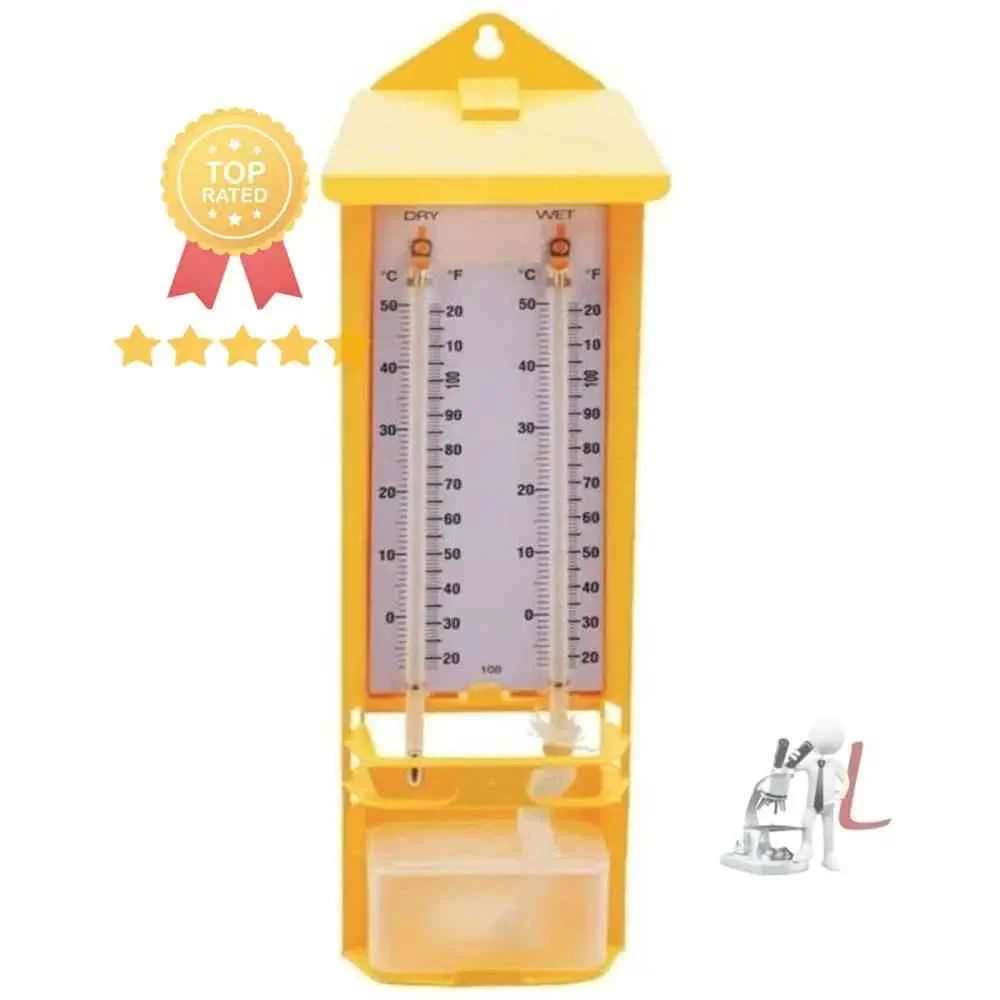
Monitoring the fermentation process is essential in producing the perfect batch of yogurt. Most Curd Incubation Chambers feature transparent access panels or windows, allowing you to check on your yogurt without disrupting the environment inside. Many users also choose to use a thermometer to keep an eye on the internal temperature closely.
Once fermentation is complete, the yogurt can be stored in the refrigerator to stop the fermentation process. The resulting product can be enjoyed plain, flavored, or used in a variety of recipes—from smoothies to sauces. A Curd Incubation Chamber not only empowers you to create delicious dairy products but also fosters a deeper understanding of the fermentation process and its health benefits.
In conclusion, investing in a Curd Incubation Chamber is a fantastic way to enhance your culinary skills and satisfy your cravings for homemade yogurt. The perfect environment for fermentation, combined with adjustable features and easy maintenance, ensures that you will not only make healthier choices but also enjoy the process of creating something delicious from scratch. Embrace the art of yogurt making with a Curd Incubation Chamber and discover the joy of producing your own dairy delights.
Original: $223.29
-70%$223.29
$66.99Product Information
Product Information
Shipping & Returns
Shipping & Returns
Description
Curd Incubation Chamber: The Essential Tool for Perfect Yogurt
The Curd Incubation Chamber is a vital tool for anyone looking to make yogurt at home or in a professional setting. It provides the optimal environment for the fermentation of milk into curds, ensuring that the process is both efficient and produces high-quality results. In this detailed guide, we will explore the significance of using a Curd Incubation Chamber, the various features to look for when selecting one, and best practices for operating it to achieve the desired yogurt consistency.
Technical Specification – Dahi incubator
| Parameter | Specification |
|---|---|
| Model | LABPRO CIC-100 ,CIC-200, CIC-300, CIC-500 |
| Capacity | 100 Litres (Available from 50L to 500L) |
| Temperature Range | Ambient +5°C to 60°C And 4°C to 50 °C |
| Recommended Set Temperature | 37°C to 45°C for curd incubation |
| Temperature Accuracy | ±1°C |
| Temperature Controller | Digital microprcessor-based PID controller |
| Heating System | Tubular stainless steel heating elements and cooling to heating |
| Insulation | High-density PUF insulation (thickness: 60 mm) |
| Internal Material | Stainless Steel (SS-304 grade) |
| External Material | Powder-coated mild steel / SS-304 (optional) |
| Door | Insulated, lockable door with magnetic gasket |
| Air Circulation | Forced air circulation for uniform temperature |
| Shelves/Trays | Adjustable stainless steel shelves (2 to 4 included) |
| Timer Function | Digital timer for incubation cycle (0–999 minutes) |
| Power Supply | 230V AC, 50 Hz, Single Phase |
| Safety Features | Over-temperature cut-off, alarm system, fuse protection |
1) What is the process of curd manufacturing?
Curd manufacturing is usually done in 3 stages:
Stage 1: Incubation chambers are designed to ensure temperature of 43 °C
Stage 2: Blast chilling ensure pull down product temperature from 43 °C to 20 °C in 2 hours
Stage 3: Storage room provide storage at 2 °C to 4 °C & support longevity by increasing the shelf life
2) What are the parameters required for Refrigeration load calculation?
Following parameters are required to calculate the load for curd Blast room
(a) L*W*H of the room
(b) Quantity of curd
(c) Pull down time requirement
(d) Incoming temperature of the product
(e) Room temperature
(f) Puff panel thickness
(g) Ambient temperature
3) What is the importance of cooling of curd?
Cooling is necessary to stop fermentation process & prolong their shelf life. Cooling for curd from 43 °C to 20 °C needs to be done in a maximum of 2 hours which ensures high quality of curd.
4) What is the importance of airflow in curd application?
The air exchange rate is what ensures good air quality in the cold store, but the flow rate also affects the cooling of the product. Since the curd needs to attain temperature within 2 hours, the Air flow in the room has to be adequate.
5) How to select the right refrigeration system for the curd application?
Once you have taken out the heat load from the Blue Cold Heat Load app, you may take a note on the following points:
For Outdoor Unit (Freon)
(a) It is recommended to go for 1 stage compressor
(b) The condenser selection should be on the higher side, since there is pull down in the room
(c) For the best designed & less vibration unit - go for Blue Cold Unit
(d) The components in the outdoor units should be certified & highly reliable as this is a critical application
For Indoor Unit (Freon & Ammonia)
(a) There should a proper balance of Surface Area, Tube Volume & Air Flow in the Indoor Unit
(b) Fins Spacing- Ideal fin spacing should 4 mm
(c) The unit should fit inside the room
(d) Various types of defrosting are available - Air defrost is basic requirement for curd storage
6) How selection of right machinery help in saving Electricity?
(a) For a blast chilling (Freon or Ammonia) an efficient Indoor unit design (square pitch) helps in saving electricity - due to lesser pressure drops & higher tube volume in the indoor unit, it attains maximum efficiency & therefore helps in saving Electricity
(b) For a Freon Outdoor Unit, use of efficient compressors like Bitzer/Emerson helps in saving power
(c) Efficient selection of condenser also helps in saving power in a Curd Blast
7) Confused in choosing of Freon Vs Ammonia in a curd manufacturing?
(a) A small scale manufacturer of curd of production of up to 2-4 tons per day would prefer a Freon unit over an Ammonia unit
(b) A medium scale manufacturer of curd of production of up to 5-10 tons per day may choose Freon unit or Ammonia unit
(c) A large scale manufacturer of meat should always prefer an ammonia unit over a Freon unit
8) What role does temperature & time play in the life of the product?
The integrated effect of time & temperature affect their COLOR, FLAVOR, TEXTURE commonly refereed to as "QUALITY" of the Curd. Hence, timing & temperature play an important role in the quality of the product
First and foremost, a Curd Incubation Chamber maintains a consistent temperature—a crucial factor in the yogurt-making process. The ideal temperature for incubating yogurt ranges from 110°F to 115°F (43°C to 46°C). If the temperature is too low, fermentation will take longer, and if it is too high, it may kill the beneficial bacteria essential for yogurt production. The chamber also prevents temperature fluctuations which can negatively impact the fermentation process.
Aside from temperature control, a Curd Incubation Chamber often includes features like humidity control, which is critical for the proper texture of yogurt. Some units come equipped with built-in fans to circulate warm air evenly within the chamber, ensuring that every container inside receives the same level of warmth and humidity. This consistent environment helps to create a uniformly thick and creamy yogurt.
When shopping for a Curd Incubation Chamber, consider the capacity you need. Smaller chambers may serve individual households or artisanal producers, while larger units are suited for commercial use where large batches of yogurt must be made at once. Check for adjustable shelves or compartments to accommodate various container sizes, as different recipes may require different container dimensions.
Another essential feature is the ease of cleaning. Yogurt-making can be quite messy, and a Curd Incubation Chamber with removable, dishwasher-safe parts can make the cleanup process much more manageable. Look for chambers constructed from durable materials that resist stains and odors, as this will enhance the longevity and functionality of your unit.
Many home yogurt enthusiasts might wonder about the energy consumption of a Curd Incubation Chamber. Modern chambers are designed to be energy-efficient, so you can maintain optimal temperatures without seeing a significant increase in your electricity bill. Some models even come with programmable settings, allowing you to set specific fermentation times based on the type of yogurt you are making.
In addition to traditional yogurt, a Curd Incubation Chamber can be used to create various fermented products, including kefir and sour cream. This versatility makes it an invaluable asset in your kitchen or business. By experimenting with different fermentation times and starter cultures, you can customize flavor profiles and textures to match your preferences.
For best results when using a Curd Incubation Chamber, start with high-quality milk and culture. Whole milk tends to yield the richest yogurt, while non-fat variations will produce a lighter product. Make sure to use fresh, active cultures that haven't expired, as these will directly influence the fermentation process and the end product.
Monitoring the fermentation process is essential in producing the perfect batch of yogurt. Most Curd Incubation Chambers feature transparent access panels or windows, allowing you to check on your yogurt without disrupting the environment inside. Many users also choose to use a thermometer to keep an eye on the internal temperature closely.
Once fermentation is complete, the yogurt can be stored in the refrigerator to stop the fermentation process. The resulting product can be enjoyed plain, flavored, or used in a variety of recipes—from smoothies to sauces. A Curd Incubation Chamber not only empowers you to create delicious dairy products but also fosters a deeper understanding of the fermentation process and its health benefits.
In conclusion, investing in a Curd Incubation Chamber is a fantastic way to enhance your culinary skills and satisfy your cravings for homemade yogurt. The perfect environment for fermentation, combined with adjustable features and easy maintenance, ensures that you will not only make healthier choices but also enjoy the process of creating something delicious from scratch. Embrace the art of yogurt making with a Curd Incubation Chamber and discover the joy of producing your own dairy delights.