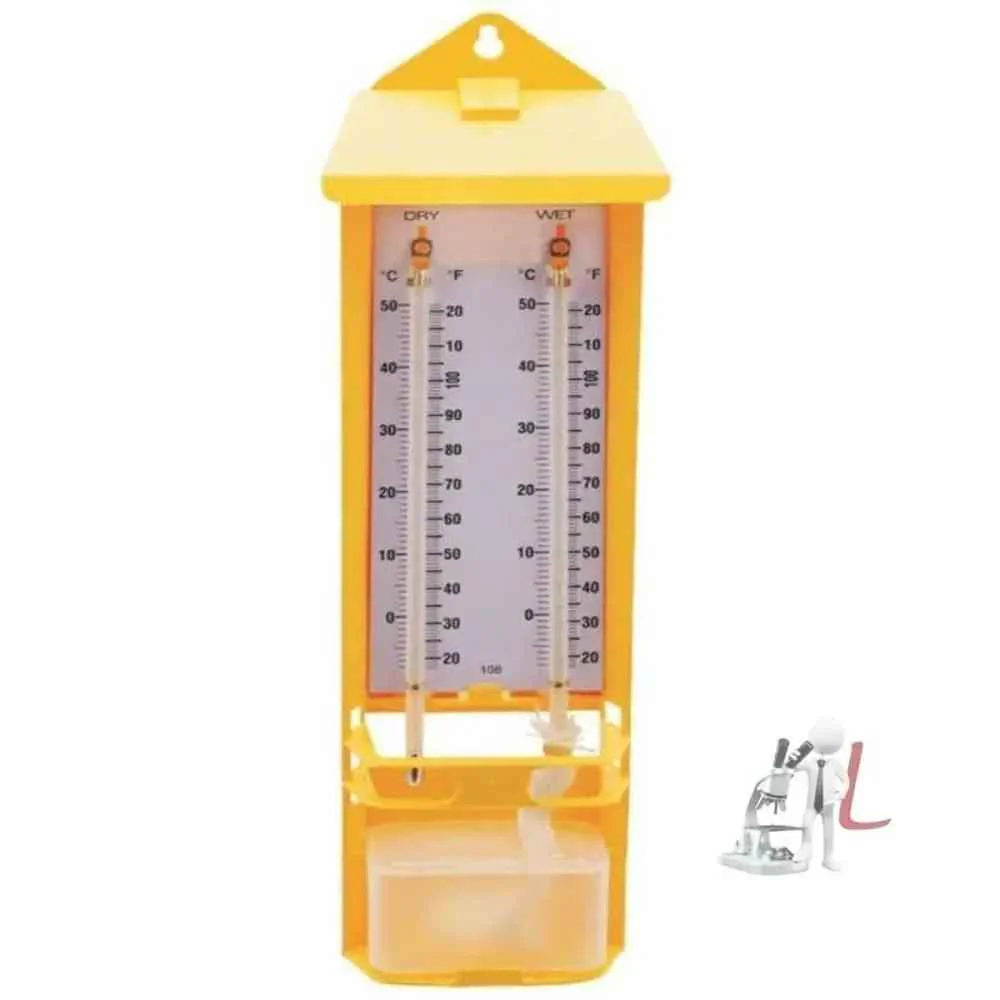
Dahi incubator
Dahi Incubator: The Perfect Solution for Homemade Yogurt
The Dahi incubator is designed to provide the ideal environment for fermenting milk into delicious, creamy yogurt. This innovative appliance is perfect for those who prefer to make their own yogurt at home, ensuring you have complete control over the ingredients and fermentation process. With a Dahi incubator, you can achieve consistent results every time, making it a valuable addition to your kitchen.
Technical Specification – Dahi incubator


| Parameter | Specification |
|---|---|
| Model | LABPRO CIC-100 ,CIC-200, CIC-300, CIC-500 |
| Capacity | 100 Litres (Available from 50L to 500L) |
| Temperature Range | Ambient +5°C to 60°C And 4°C to 50 °C |
| Recommended Set Temperature | 37°C to 45°C for curd incubation |
| Temperature Accuracy | ±1°C |
| Temperature Controller | Digital microprcessor-based PID controller |
| Heating System | Tubular stainless steel heating elements and cooling to heating |
| Insulation | High-density PUF insulation (thickness: 60 mm) |
| Internal Material | Stainless Steel (SS-304 grade) |
| External Material | Powder-coated mild steel / SS-304 (optional) |
| Door | Insulated, lockable door with magnetic gasket |
| Air Circulation | Forced air circulation for uniform temperature |
| Shelves/Trays | Adjustable stainless steel shelves (2 to 4 included) |
| Timer Function | Digital timer for incubation cycle (0–999 minutes) |
| Power Supply | 230V AC, 50 Hz, Single Phase |
| Safety Features | Over-temperature cut-off, alarm system, fuse protection |
1) What is the process of curd manufacturing?
Curd manufacturing is usually done in 3 stages:
Stage 1: Incubation chambers are designed to ensure temperature of 43 °C
Stage 2: Blast chilling ensure pull down product temperature from 43 °C to 20 °C in 2 hours
Stage 3: Storage room provide storage at 2 °C to 4 °C & support longevity by increasing the shelf life
2) What are the parameters required for Refrigeration load calculation?
Following parameters are required to calculate the load for curd Blast room
(a) L*W*H of the room
(b) Quantity of curd
(c) Pull down time requirement
(d) Incoming temperature of the product
(e) Room temperature
(f) Puff panel thickness
(g) Ambient temperature
3) What is the importance of cooling of curd?
Cooling is necessary to stop fermentation process & prolong their shelf life. Cooling for curd from 43 °C to 20 °C needs to be done in a maximum of 2 hours which ensures high quality of curd.
4) What is the importance of airflow in curd application?
The air exchange rate is what ensures good air quality in the cold store, but the flow rate also affects the cooling of the product. Since the curd needs to attain temperature within 2 hours, the Air flow in the room has to be adequate.
5) How to select the right refrigeration system for the curd application?
Once you have taken out the heat load from the Blue Cold Heat Load app, you may take a note on the following points:
For Outdoor Unit (Freon)
(a) It is recommended to go for 1 stage compressor
(b) The condenser selection should be on the higher side, since there is pull down in the room
(c) For the best designed & less vibration unit - go for Blue Cold Unit
(d) The components in the outdoor units should be certified & highly reliable as this is a critical application
For Indoor Unit (Freon & Ammonia)
(a) There should a proper balance of Surface Area, Tube Volume & Air Flow in the Indoor Unit
(b) Fins Spacing- Ideal fin spacing should 4 mm
(c) The unit should fit inside the room
(d) Various types of defrosting are available - Air defrost is basic requirement for curd storage
6) How selection of right machinery help in saving Electricity?
(a) For a blast chilling (Freon or Ammonia) an efficient Indoor unit design (square pitch) helps in saving electricity - due to lesser pressure drops & higher tube volume in the indoor unit, it attains maximum efficiency & therefore helps in saving Electricity
(b) For a Freon Outdoor Unit, use of efficient compressors like Bitzer/Emerson helps in saving power
(c) Efficient selection of condenser also helps in saving power in a Curd Blast
7) Confused in choosing of Freon Vs Ammonia in a curd manufacturing?
(a) A small scale manufacturer of curd of production of up to 2-4 tons per day would prefer a Freon unit over an Ammonia unit
(b) A medium scale manufacturer of curd of production of up to 5-10 tons per day may choose Freon unit or Ammonia unit
(c) A large scale manufacturer of meat should always prefer an ammonia unit over a Freon unit
8) What role does temperature & time play in the life of the product?
The integrated effect of time & temperature affect their COLOR, FLAVOR, TEXTURE commonly refereed to as "QUALITY" of the Curd. Hence, timing & temperature play an important role in the quality of the product
One of the key features of the Dahi incubator is its ability to maintain a stable temperature, which is crucial for successful yogurt fermentation. Typically, yogurt needs to be incubated at a temperature of around 110°F (43°C) to facilitate the growth of beneficial bacteria. The Dahi incubator is equipped with precise temperature control settings, allowing you to set the desired temperature easily. This eliminates the guesswork often involved in traditional yogurt-making methods.
Using a Dahi incubator is simple and straightforward. Start by heating milk to the appropriate temperature, then allow it to cool slightly. Once cooled, add your chosen yogurt culture to the milk, mixing well to distribute the bacteria evenly. Pour the mixture into the incubator's containers and close the lid. Set the timer and temperature, and let the Dahi incubator do the rest. Within a few hours, you’ll have fresh yogurt ready to enjoy.
Another significant advantage of using a Dahi incubator is the variety it offers. You can experiment with different types of milk—whole, skim, or even non-dairy alternatives—and various types of yogurt cultures to achieve unique flavors and textures. From Greek yogurt to flavored yogurt, the possibilities are endless.
Maintaining the cleanliness of the Dahi incubator is essential to ensure that the yogurt stays uncontaminated. Most Dahi incubators feature removable parts that are dishwasher safe, making cleanup a breeze. Proper hygiene practices must be followed, as bacteria play a critical role in fermentation, and any unwanted bacteria can spoil your yogurt.
For those who are health-conscious, making yogurt at home with the Dahi incubator allows you to control the sugar and fat content. You can create a healthier version of yogurt without additives or preservatives. Incorporate fruits, honey, or nuts after the fermentation process to add flavor and nutrition to your yogurt.
The Dahi incubator is also perfect for families. With a Dahi incubator, you can make large batches of yogurt that will last for days, providing a nutritious snack option for children and adults alike. This not only saves money compared to store-bought yogurt but also reduces waste associated with plastic containers.
In terms of durability, many Dahi incubators are designed to last for years with proper care. Investing in a high-quality Dahi incubator can result in countless batches of yogurt and endless culinary creativity, making it a worthwhile kitchen appliance.
For those interested in fermentation as a hobby, the Dahi incubator opens up a world of experimentation. You can try incorporating various flavors, such as vanilla, berries, or even spices, to customize your yogurt. Additionally, you could explore different fermentation times to achieve varying levels of tanginess.
For anyone new to yogurt-making, the Dahi incubator is user-friendly, often including detailed instructions and tips for the best results. Whether you are a beginner or a seasoned yogurt maker, the Dahi incubator will enhance your culinary skills, allowing you to create yogurt that rivals store-bought products.
As yogurt continues to gain popularity for its health benefits, owning a Dahi incubator is a valuable investment for anyone seeking healthier eating habits. With its ease of use, versatility, and cost-effectiveness, the Dahi incubator can change the way you enjoy yogurt, transforming it from a simple snack into a culinary delight.
In conclusion, with the Dahi incubator, making your homemade yogurt has never been easier. The precision, convenience, and control it offers, combined with the health benefits of fresh yogurt, make it an essential appliance for any kitchen. Experience the joy of crafting your delicious yogurt using the Dahi incubator and savor the difference it can make in your diet.
Original: $223.29
-70%$223.29
$66.99Product Information
Product Information
Shipping & Returns
Shipping & Returns
Description
Dahi Incubator: The Perfect Solution for Homemade Yogurt
The Dahi incubator is designed to provide the ideal environment for fermenting milk into delicious, creamy yogurt. This innovative appliance is perfect for those who prefer to make their own yogurt at home, ensuring you have complete control over the ingredients and fermentation process. With a Dahi incubator, you can achieve consistent results every time, making it a valuable addition to your kitchen.
Technical Specification – Dahi incubator
| Parameter | Specification |
|---|---|
| Model | LABPRO CIC-100 ,CIC-200, CIC-300, CIC-500 |
| Capacity | 100 Litres (Available from 50L to 500L) |
| Temperature Range | Ambient +5°C to 60°C And 4°C to 50 °C |
| Recommended Set Temperature | 37°C to 45°C for curd incubation |
| Temperature Accuracy | ±1°C |
| Temperature Controller | Digital microprcessor-based PID controller |
| Heating System | Tubular stainless steel heating elements and cooling to heating |
| Insulation | High-density PUF insulation (thickness: 60 mm) |
| Internal Material | Stainless Steel (SS-304 grade) |
| External Material | Powder-coated mild steel / SS-304 (optional) |
| Door | Insulated, lockable door with magnetic gasket |
| Air Circulation | Forced air circulation for uniform temperature |
| Shelves/Trays | Adjustable stainless steel shelves (2 to 4 included) |
| Timer Function | Digital timer for incubation cycle (0–999 minutes) |
| Power Supply | 230V AC, 50 Hz, Single Phase |
| Safety Features | Over-temperature cut-off, alarm system, fuse protection |
1) What is the process of curd manufacturing?
Curd manufacturing is usually done in 3 stages:
Stage 1: Incubation chambers are designed to ensure temperature of 43 °C
Stage 2: Blast chilling ensure pull down product temperature from 43 °C to 20 °C in 2 hours
Stage 3: Storage room provide storage at 2 °C to 4 °C & support longevity by increasing the shelf life
2) What are the parameters required for Refrigeration load calculation?
Following parameters are required to calculate the load for curd Blast room
(a) L*W*H of the room
(b) Quantity of curd
(c) Pull down time requirement
(d) Incoming temperature of the product
(e) Room temperature
(f) Puff panel thickness
(g) Ambient temperature
3) What is the importance of cooling of curd?
Cooling is necessary to stop fermentation process & prolong their shelf life. Cooling for curd from 43 °C to 20 °C needs to be done in a maximum of 2 hours which ensures high quality of curd.
4) What is the importance of airflow in curd application?
The air exchange rate is what ensures good air quality in the cold store, but the flow rate also affects the cooling of the product. Since the curd needs to attain temperature within 2 hours, the Air flow in the room has to be adequate.
5) How to select the right refrigeration system for the curd application?
Once you have taken out the heat load from the Blue Cold Heat Load app, you may take a note on the following points:
For Outdoor Unit (Freon)
(a) It is recommended to go for 1 stage compressor
(b) The condenser selection should be on the higher side, since there is pull down in the room
(c) For the best designed & less vibration unit - go for Blue Cold Unit
(d) The components in the outdoor units should be certified & highly reliable as this is a critical application
For Indoor Unit (Freon & Ammonia)
(a) There should a proper balance of Surface Area, Tube Volume & Air Flow in the Indoor Unit
(b) Fins Spacing- Ideal fin spacing should 4 mm
(c) The unit should fit inside the room
(d) Various types of defrosting are available - Air defrost is basic requirement for curd storage
6) How selection of right machinery help in saving Electricity?
(a) For a blast chilling (Freon or Ammonia) an efficient Indoor unit design (square pitch) helps in saving electricity - due to lesser pressure drops & higher tube volume in the indoor unit, it attains maximum efficiency & therefore helps in saving Electricity
(b) For a Freon Outdoor Unit, use of efficient compressors like Bitzer/Emerson helps in saving power
(c) Efficient selection of condenser also helps in saving power in a Curd Blast
7) Confused in choosing of Freon Vs Ammonia in a curd manufacturing?
(a) A small scale manufacturer of curd of production of up to 2-4 tons per day would prefer a Freon unit over an Ammonia unit
(b) A medium scale manufacturer of curd of production of up to 5-10 tons per day may choose Freon unit or Ammonia unit
(c) A large scale manufacturer of meat should always prefer an ammonia unit over a Freon unit
8) What role does temperature & time play in the life of the product?
The integrated effect of time & temperature affect their COLOR, FLAVOR, TEXTURE commonly refereed to as "QUALITY" of the Curd. Hence, timing & temperature play an important role in the quality of the product
One of the key features of the Dahi incubator is its ability to maintain a stable temperature, which is crucial for successful yogurt fermentation. Typically, yogurt needs to be incubated at a temperature of around 110°F (43°C) to facilitate the growth of beneficial bacteria. The Dahi incubator is equipped with precise temperature control settings, allowing you to set the desired temperature easily. This eliminates the guesswork often involved in traditional yogurt-making methods.
Using a Dahi incubator is simple and straightforward. Start by heating milk to the appropriate temperature, then allow it to cool slightly. Once cooled, add your chosen yogurt culture to the milk, mixing well to distribute the bacteria evenly. Pour the mixture into the incubator's containers and close the lid. Set the timer and temperature, and let the Dahi incubator do the rest. Within a few hours, you’ll have fresh yogurt ready to enjoy.
Another significant advantage of using a Dahi incubator is the variety it offers. You can experiment with different types of milk—whole, skim, or even non-dairy alternatives—and various types of yogurt cultures to achieve unique flavors and textures. From Greek yogurt to flavored yogurt, the possibilities are endless.
Maintaining the cleanliness of the Dahi incubator is essential to ensure that the yogurt stays uncontaminated. Most Dahi incubators feature removable parts that are dishwasher safe, making cleanup a breeze. Proper hygiene practices must be followed, as bacteria play a critical role in fermentation, and any unwanted bacteria can spoil your yogurt.
For those who are health-conscious, making yogurt at home with the Dahi incubator allows you to control the sugar and fat content. You can create a healthier version of yogurt without additives or preservatives. Incorporate fruits, honey, or nuts after the fermentation process to add flavor and nutrition to your yogurt.
The Dahi incubator is also perfect for families. With a Dahi incubator, you can make large batches of yogurt that will last for days, providing a nutritious snack option for children and adults alike. This not only saves money compared to store-bought yogurt but also reduces waste associated with plastic containers.
In terms of durability, many Dahi incubators are designed to last for years with proper care. Investing in a high-quality Dahi incubator can result in countless batches of yogurt and endless culinary creativity, making it a worthwhile kitchen appliance.
For those interested in fermentation as a hobby, the Dahi incubator opens up a world of experimentation. You can try incorporating various flavors, such as vanilla, berries, or even spices, to customize your yogurt. Additionally, you could explore different fermentation times to achieve varying levels of tanginess.
For anyone new to yogurt-making, the Dahi incubator is user-friendly, often including detailed instructions and tips for the best results. Whether you are a beginner or a seasoned yogurt maker, the Dahi incubator will enhance your culinary skills, allowing you to create yogurt that rivals store-bought products.
As yogurt continues to gain popularity for its health benefits, owning a Dahi incubator is a valuable investment for anyone seeking healthier eating habits. With its ease of use, versatility, and cost-effectiveness, the Dahi incubator can change the way you enjoy yogurt, transforming it from a simple snack into a culinary delight.
In conclusion, with the Dahi incubator, making your homemade yogurt has never been easier. The precision, convenience, and control it offers, combined with the health benefits of fresh yogurt, make it an essential appliance for any kitchen. Experience the joy of crafting your delicious yogurt using the Dahi incubator and savor the difference it can make in your diet.