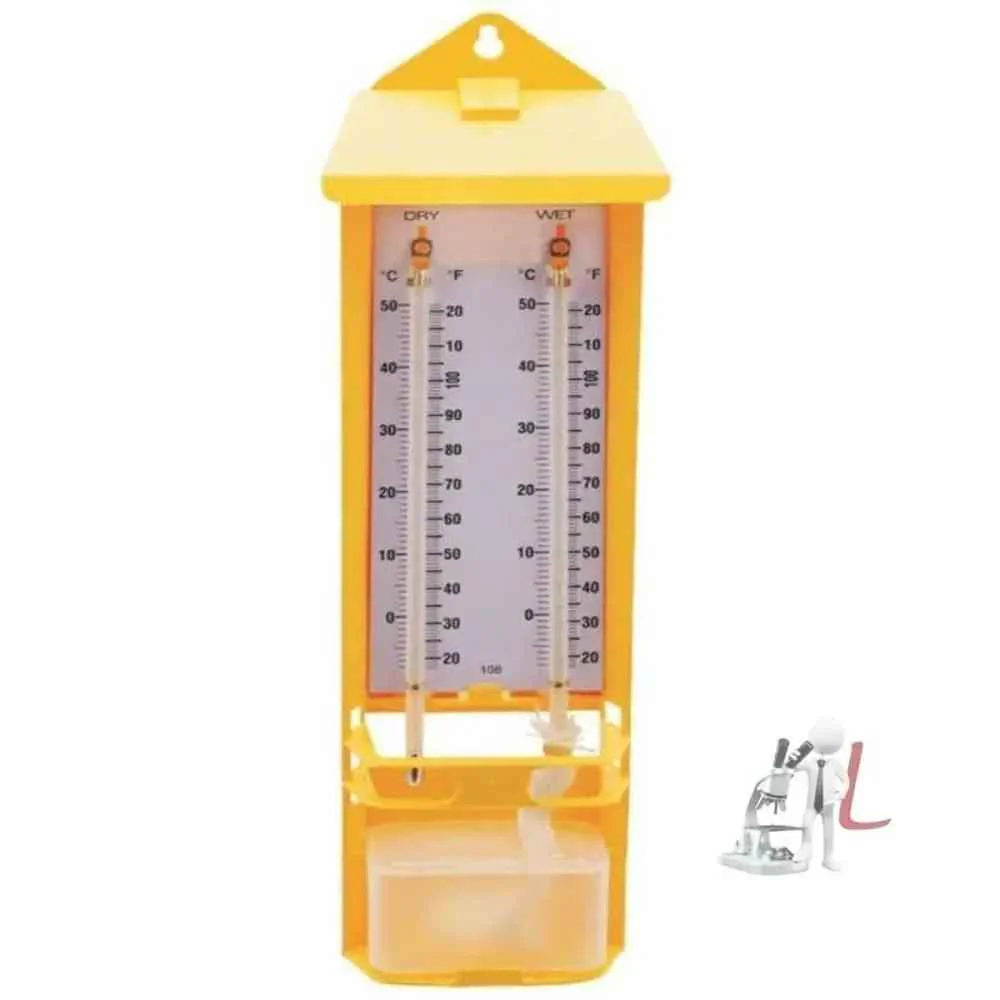
Frog Muscle Chamber
The Frog Muscle Chamber is a cutting-edge research chamber to study amphibian muscle physiology. With its advanced sensing and temperature regulation capabilities, it provides accurate and reliable results for muscle physiology experiments. Its user-friendly interface offers easy programming of all experiments.
Frog muscle chambers refer to specialized structures within the muscular system of frogs that play a crucial role in their locomotion and overall physiology. These chambers are responsible for generating and controlling the powerful movements observed in frogs, enabling them to jump, swim, and perform other agile maneuvers.
The muscle chambers in frogs consist of a series of compartments or compartments that are separated by septa, forming distinct chambers. These chambers are often filled with a gelatinous substance called the coelomic fluid, which acts as a hydraulic system for transmitting force within the muscles.
The primary function of frog muscle chambers is to enhance the efficiency of muscle contraction by providing a mechanism for the controlled release and redirection of muscular forces. This allows frogs to generate powerful movements while conserving energy. By contracting specific muscle groups and selectively releasing the coelomic fluid into different chambers, frogs can produce precise and coordinated movements.
Moreover, frog muscle chambers also aid in maintaining body shape and providing structural support. By altering the pressure and distribution of coelomic fluid, frogs can modify their body posture and adjust their buoyancy in aquatic environments.
The study of frog muscle chambers provides valuable insights into the biomechanics of locomotion and the adaptation of organisms to different environments. Researchers and biologists investigate the structure and function of these chambers to better understand the principles underlying efficient movement and potentially apply this knowledge to fields such as robotics and bioengineering.
In summary, frog muscle chambers are specialized compartments within the muscular system of frogs that contribute to their remarkable agility and locomotion. Through their unique design and hydraulic properties, these chambers enable frogs to generate powerful movements, conserve energy, and adapt to various environments.
Original: $11.06
-70%$11.06
$3.32Product Information
Product Information
Shipping & Returns
Shipping & Returns
Description
The Frog Muscle Chamber is a cutting-edge research chamber to study amphibian muscle physiology. With its advanced sensing and temperature regulation capabilities, it provides accurate and reliable results for muscle physiology experiments. Its user-friendly interface offers easy programming of all experiments.
Frog muscle chambers refer to specialized structures within the muscular system of frogs that play a crucial role in their locomotion and overall physiology. These chambers are responsible for generating and controlling the powerful movements observed in frogs, enabling them to jump, swim, and perform other agile maneuvers.
The muscle chambers in frogs consist of a series of compartments or compartments that are separated by septa, forming distinct chambers. These chambers are often filled with a gelatinous substance called the coelomic fluid, which acts as a hydraulic system for transmitting force within the muscles.
The primary function of frog muscle chambers is to enhance the efficiency of muscle contraction by providing a mechanism for the controlled release and redirection of muscular forces. This allows frogs to generate powerful movements while conserving energy. By contracting specific muscle groups and selectively releasing the coelomic fluid into different chambers, frogs can produce precise and coordinated movements.
Moreover, frog muscle chambers also aid in maintaining body shape and providing structural support. By altering the pressure and distribution of coelomic fluid, frogs can modify their body posture and adjust their buoyancy in aquatic environments.
The study of frog muscle chambers provides valuable insights into the biomechanics of locomotion and the adaptation of organisms to different environments. Researchers and biologists investigate the structure and function of these chambers to better understand the principles underlying efficient movement and potentially apply this knowledge to fields such as robotics and bioengineering.
In summary, frog muscle chambers are specialized compartments within the muscular system of frogs that contribute to their remarkable agility and locomotion. Through their unique design and hydraulic properties, these chambers enable frogs to generate powerful movements, conserve energy, and adapt to various environments.