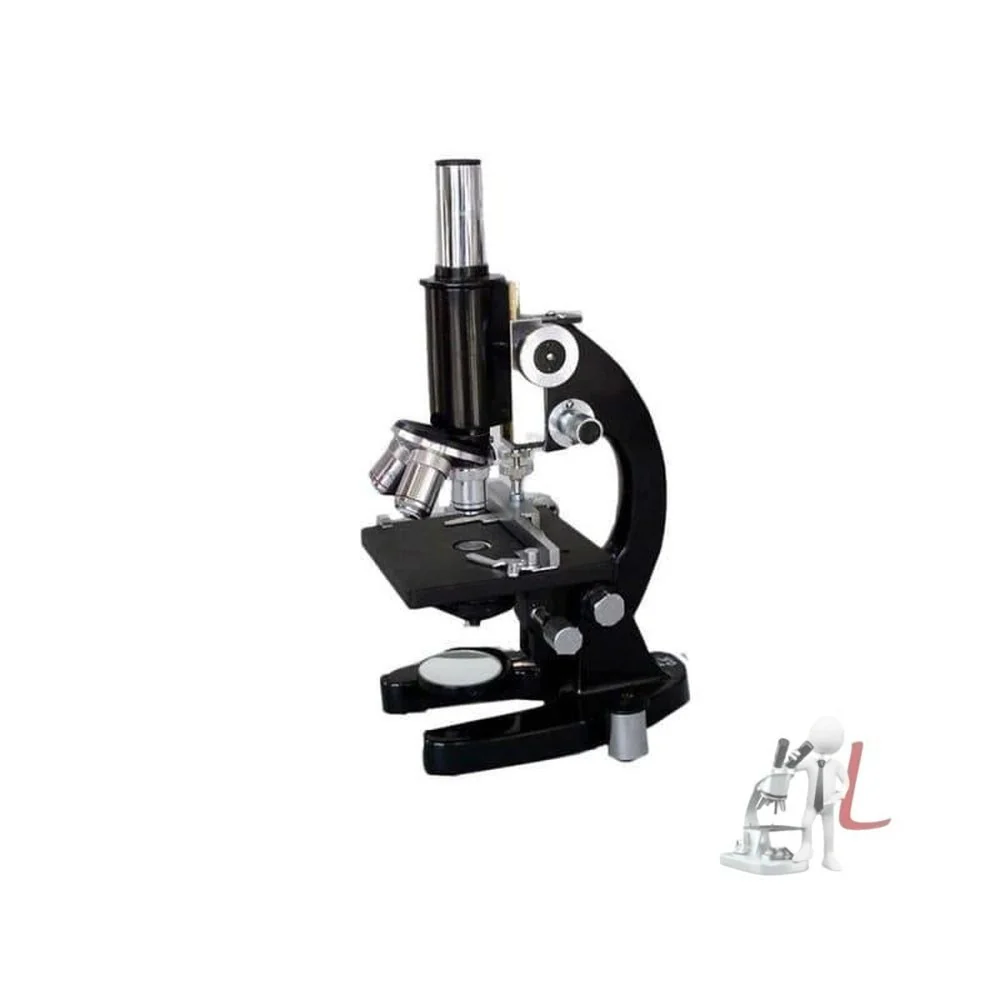
Monocular Microscope for Enhanced Observation and Learning
Monocular Microscope for Enhanced Observation
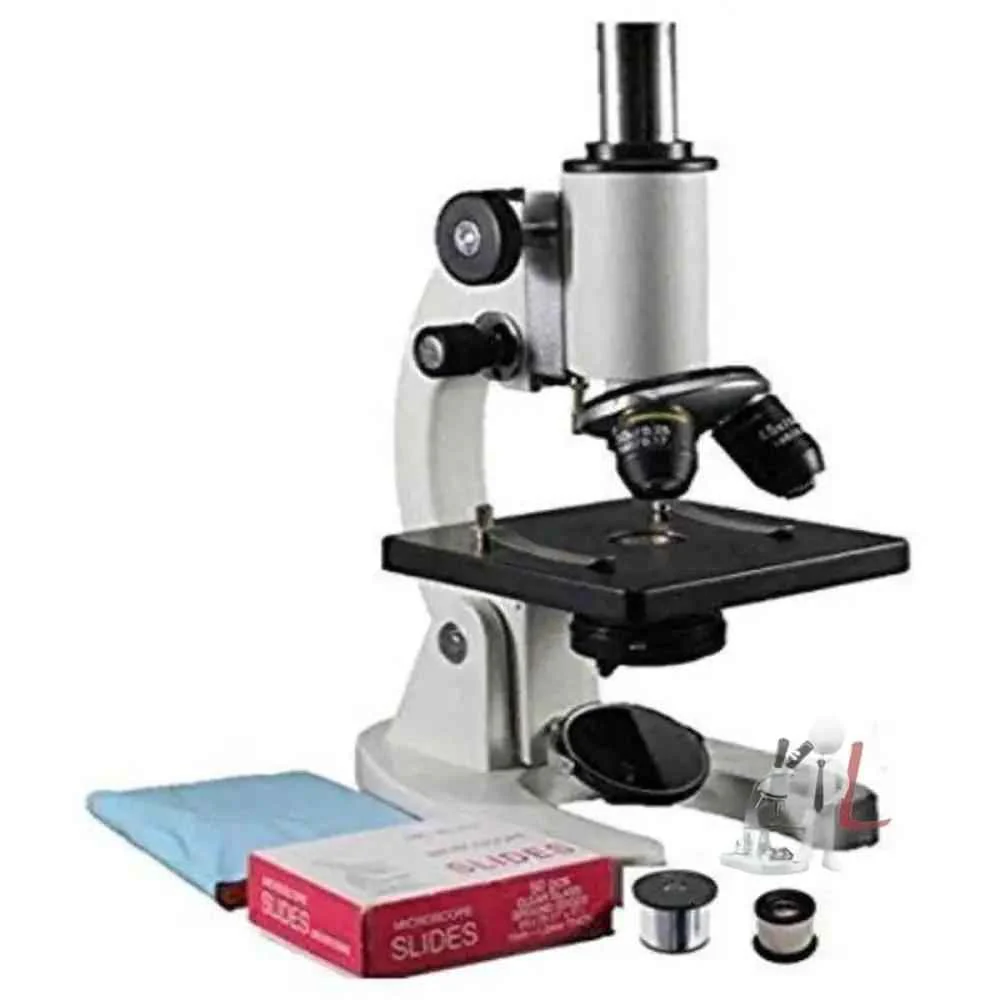
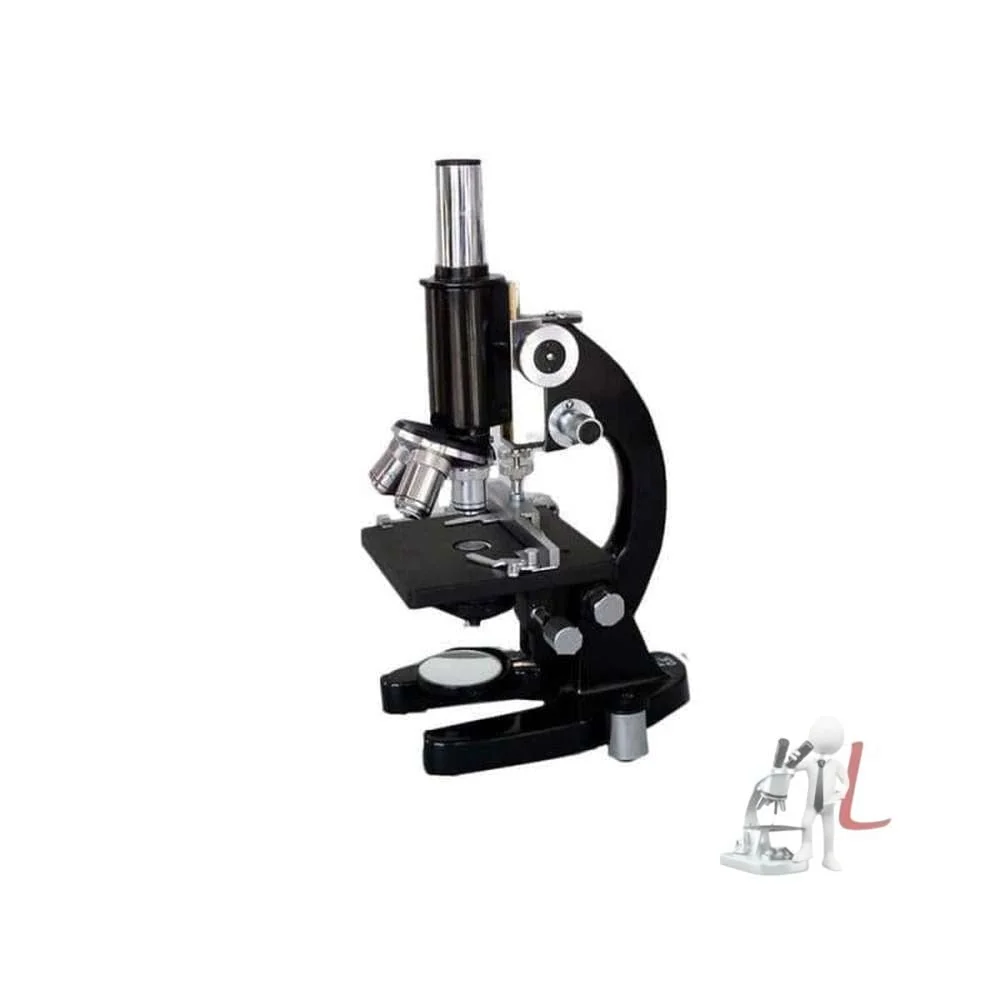
The monocular microscope is an essential tool for students and enthusiasts seeking to enhance observation and learning. This critical piece of scientific equipment allows users to view specimens with clarity and precision, making it an ideal choice for educational purposes or hobbyist exploration. With its straightforward design and user-friendly features, a monocular microscope can be used for a variety of applications, including biological studies, material inspection, and even for hobbyist activities like preparing slides of everyday objects.
One of the primary benefits of the monocular microscope is its simplicity. It is designed with one eyepiece, making it easy for beginners to focus on samples without the added complexity of binocular models. This user-friendliness makes it perfect for classrooms where instructors can efficiently demonstrate concepts and encourage hands-on investigation. Furthermore, because the monocular microscope is accessible to users of all ages, it fosters curiosity and engagement in the sciences.
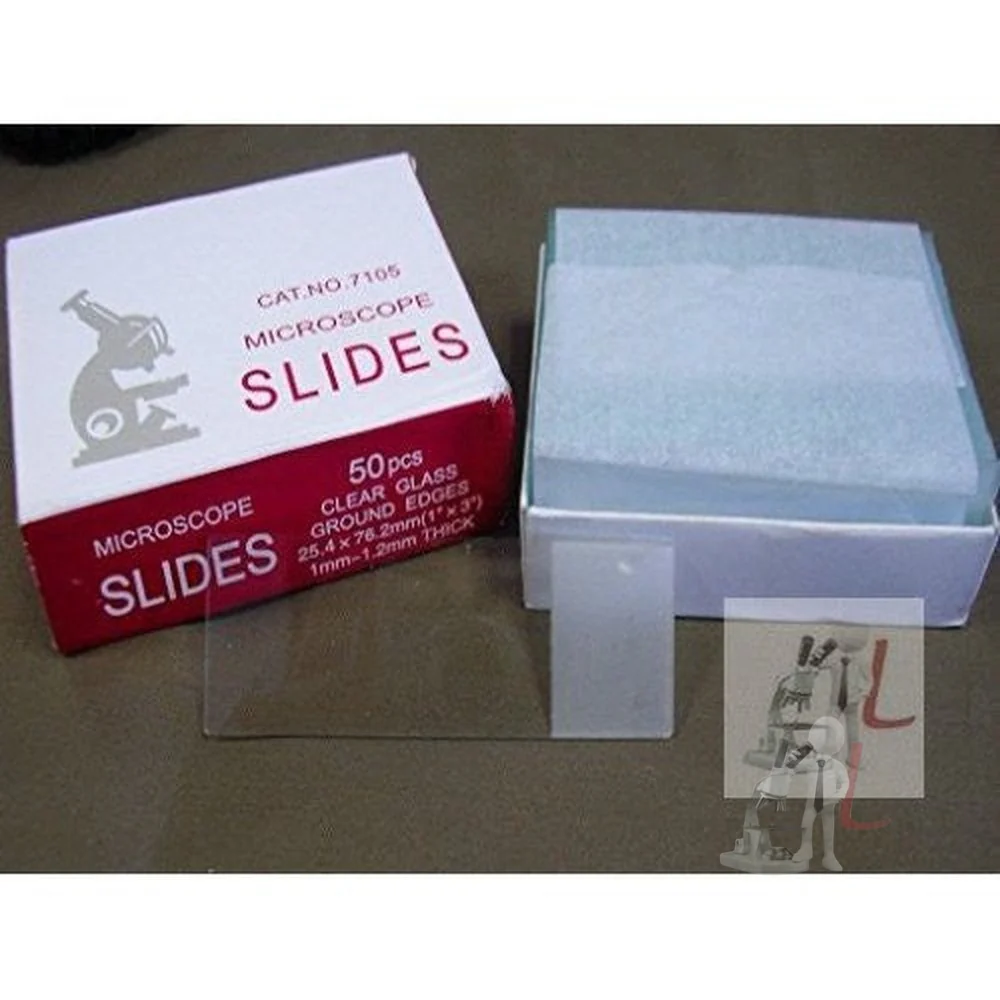
In educational settings, the monocular microscope is fantastic for promoting experiential learning. Students can prepare their slides from biological samples, such as onion skin, pond water, or leaf sections, and examine these under magnification. This direct interaction with the specimens encourages critical thinking and scientific inquiry, empowering learners to formulate hypotheses, conduct experiments, and draw conclusions based on their observations.
The monocular microscope typically features adjustable magnification, which allows users to switch between different levels of zoom, ranging from low to high magnification. This flexibility enables detailed examination of both large structural features and smaller cellular components. As users become more familiar with their microscope, they can experiment with varying magnifications to discover the most effective level for their specific observations.
Another noteworthy aspect of the monocular microscope is its portability. Many models are lightweight and compact, which makes them easy to transport. This feature is particularly beneficial for field studies in nature where biologists might investigate local flora and fauna. The ability to take a monocular microscope out into the field opens up numerous opportunities for real-world learning experiences, allowing users to observe living specimens in their natural habitats.
For home users, a monocular microscope can be a tool for exploring the hidden details of everyday objects. Children and adults alike can discover the intricate structures of insects, plant materials, or even human-made items like fabrics and papers. These explorations can lead to fascinating discoveries and serve as a catalyst for discussions about biology, chemistry, and engineering principles.
In addition, many monocular microscopes are equipped with built-in LED illumination or mirror lighting to provide consistent and adequate lighting for specimens. Users must understand that adequate lighting significantly enhances the viewing experience, especially when examining transparent objects like slides. The right illumination can reveal stunning details that would otherwise remain unseen.
A monocular microscope also encourages the development of fine motor skills, especially among younger users. Adjusting focus, preparing slides, and manipulating specimens require coordination and precision. These activities can be engaging and scaffold the development of skills that are essential in scientific practice.
The materials used in the construction of monocular microscopes can vary widely. Higher-end models often utilize high-quality glass lenses, which significantly improve clarity and image quality compared to plastic lenses commonly found in lower-priced options. Investing in a monocular microscope with quality optics is essential for users who wish to conduct detailed and accurate observations over time.
Monocular microscopes can be found at various price points, catering to beginners and advanced users alike. When choosing a model, it's important to consider clarity, magnification ranges, and build quality. As with any scientific instrument, a user’s experience will largely depend on the quality of the equipment. Portable models make excellent gifts for budding scientists, while more sophisticated variations may suit high school or college students focusing on biological or material sciences.
Overall, the monocular microscope is an invaluable educational tool that fosters observation and scientific learning. Its ease of use, portability, and versatility cater to diverse audiences ranging from curious children to serious researchers. Whether in the classroom, laboratory, or the field, the monocular microscope opens the door to explore the microscopic world, ultimately enhancing one’s understanding of life sciences.
Original: $57.42
-70%$57.42
$17.23Product Information
Product Information
Shipping & Returns
Shipping & Returns
Description
Monocular Microscope for Enhanced Observation
The monocular microscope is an essential tool for students and enthusiasts seeking to enhance observation and learning. This critical piece of scientific equipment allows users to view specimens with clarity and precision, making it an ideal choice for educational purposes or hobbyist exploration. With its straightforward design and user-friendly features, a monocular microscope can be used for a variety of applications, including biological studies, material inspection, and even for hobbyist activities like preparing slides of everyday objects.
One of the primary benefits of the monocular microscope is its simplicity. It is designed with one eyepiece, making it easy for beginners to focus on samples without the added complexity of binocular models. This user-friendliness makes it perfect for classrooms where instructors can efficiently demonstrate concepts and encourage hands-on investigation. Furthermore, because the monocular microscope is accessible to users of all ages, it fosters curiosity and engagement in the sciences.
In educational settings, the monocular microscope is fantastic for promoting experiential learning. Students can prepare their slides from biological samples, such as onion skin, pond water, or leaf sections, and examine these under magnification. This direct interaction with the specimens encourages critical thinking and scientific inquiry, empowering learners to formulate hypotheses, conduct experiments, and draw conclusions based on their observations.
The monocular microscope typically features adjustable magnification, which allows users to switch between different levels of zoom, ranging from low to high magnification. This flexibility enables detailed examination of both large structural features and smaller cellular components. As users become more familiar with their microscope, they can experiment with varying magnifications to discover the most effective level for their specific observations.
Another noteworthy aspect of the monocular microscope is its portability. Many models are lightweight and compact, which makes them easy to transport. This feature is particularly beneficial for field studies in nature where biologists might investigate local flora and fauna. The ability to take a monocular microscope out into the field opens up numerous opportunities for real-world learning experiences, allowing users to observe living specimens in their natural habitats.
For home users, a monocular microscope can be a tool for exploring the hidden details of everyday objects. Children and adults alike can discover the intricate structures of insects, plant materials, or even human-made items like fabrics and papers. These explorations can lead to fascinating discoveries and serve as a catalyst for discussions about biology, chemistry, and engineering principles.
In addition, many monocular microscopes are equipped with built-in LED illumination or mirror lighting to provide consistent and adequate lighting for specimens. Users must understand that adequate lighting significantly enhances the viewing experience, especially when examining transparent objects like slides. The right illumination can reveal stunning details that would otherwise remain unseen.
A monocular microscope also encourages the development of fine motor skills, especially among younger users. Adjusting focus, preparing slides, and manipulating specimens require coordination and precision. These activities can be engaging and scaffold the development of skills that are essential in scientific practice.
The materials used in the construction of monocular microscopes can vary widely. Higher-end models often utilize high-quality glass lenses, which significantly improve clarity and image quality compared to plastic lenses commonly found in lower-priced options. Investing in a monocular microscope with quality optics is essential for users who wish to conduct detailed and accurate observations over time.
Monocular microscopes can be found at various price points, catering to beginners and advanced users alike. When choosing a model, it's important to consider clarity, magnification ranges, and build quality. As with any scientific instrument, a user’s experience will largely depend on the quality of the equipment. Portable models make excellent gifts for budding scientists, while more sophisticated variations may suit high school or college students focusing on biological or material sciences.
Overall, the monocular microscope is an invaluable educational tool that fosters observation and scientific learning. Its ease of use, portability, and versatility cater to diverse audiences ranging from curious children to serious researchers. Whether in the classroom, laboratory, or the field, the monocular microscope opens the door to explore the microscopic world, ultimately enhancing one’s understanding of life sciences.