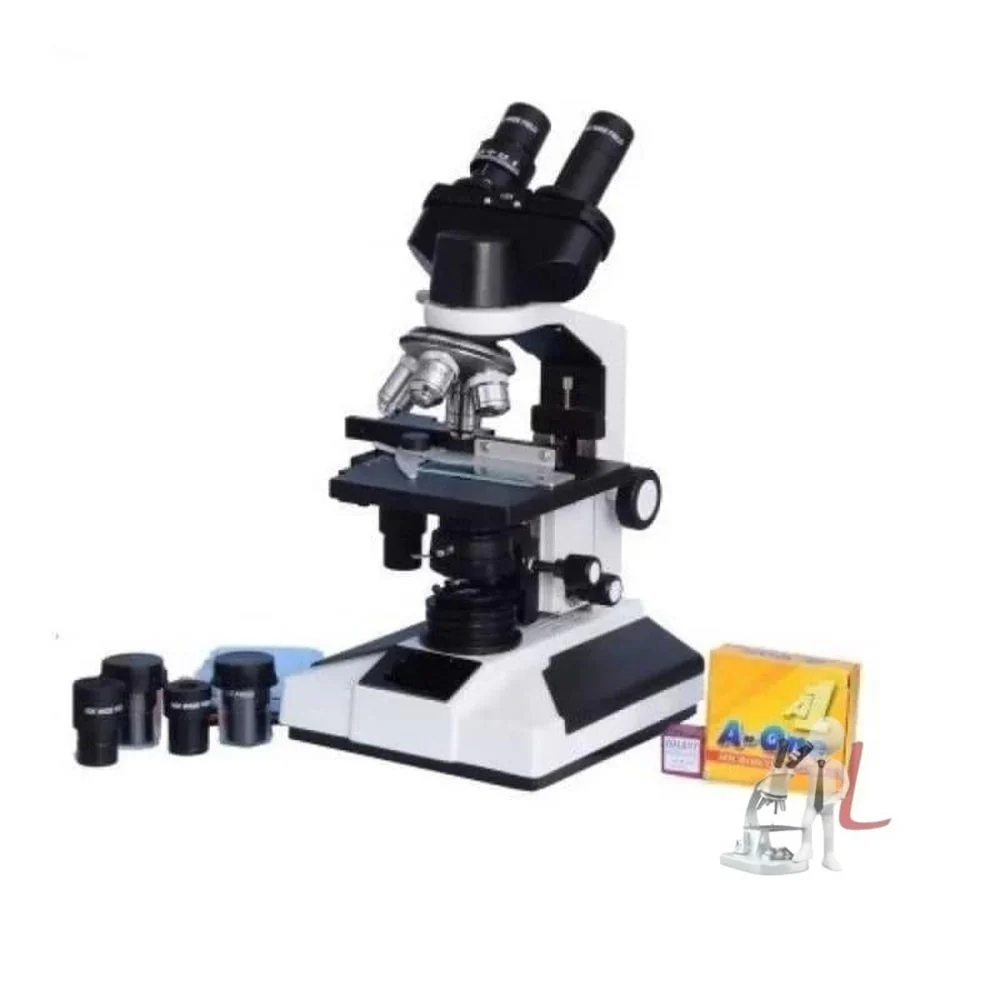
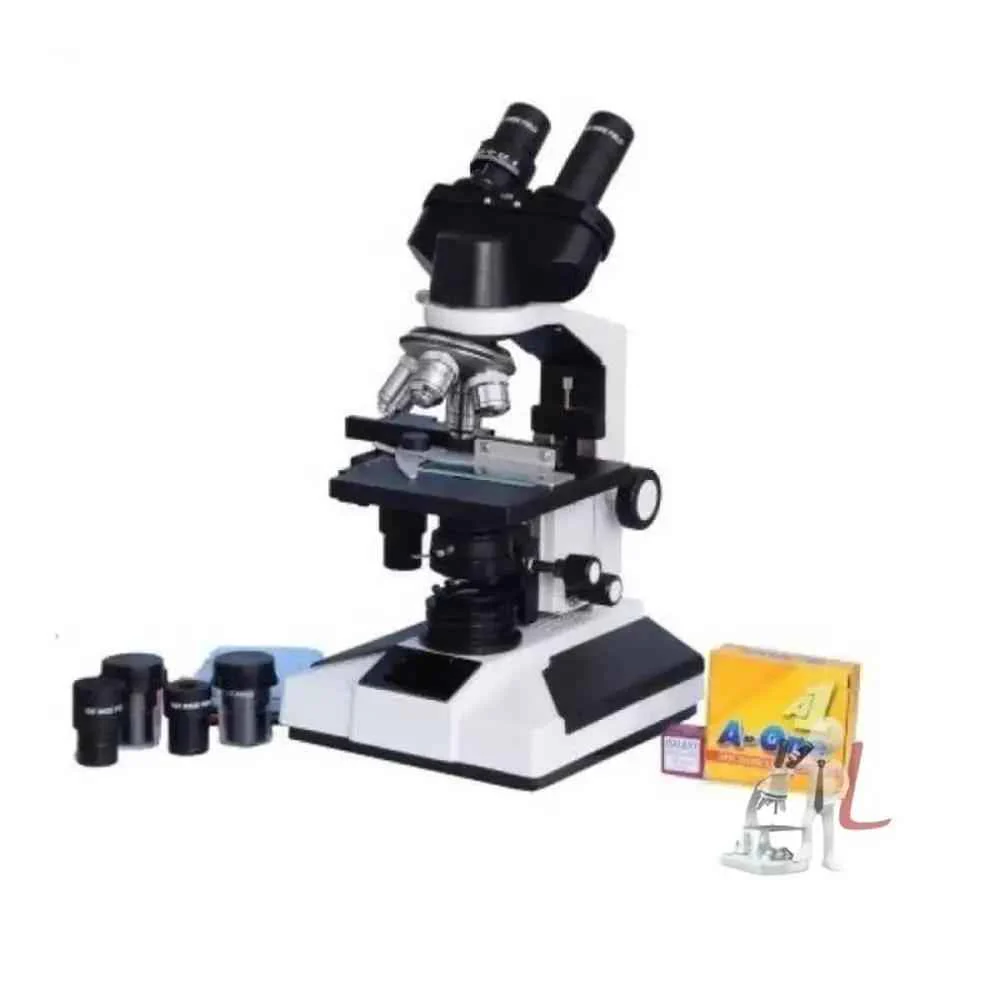
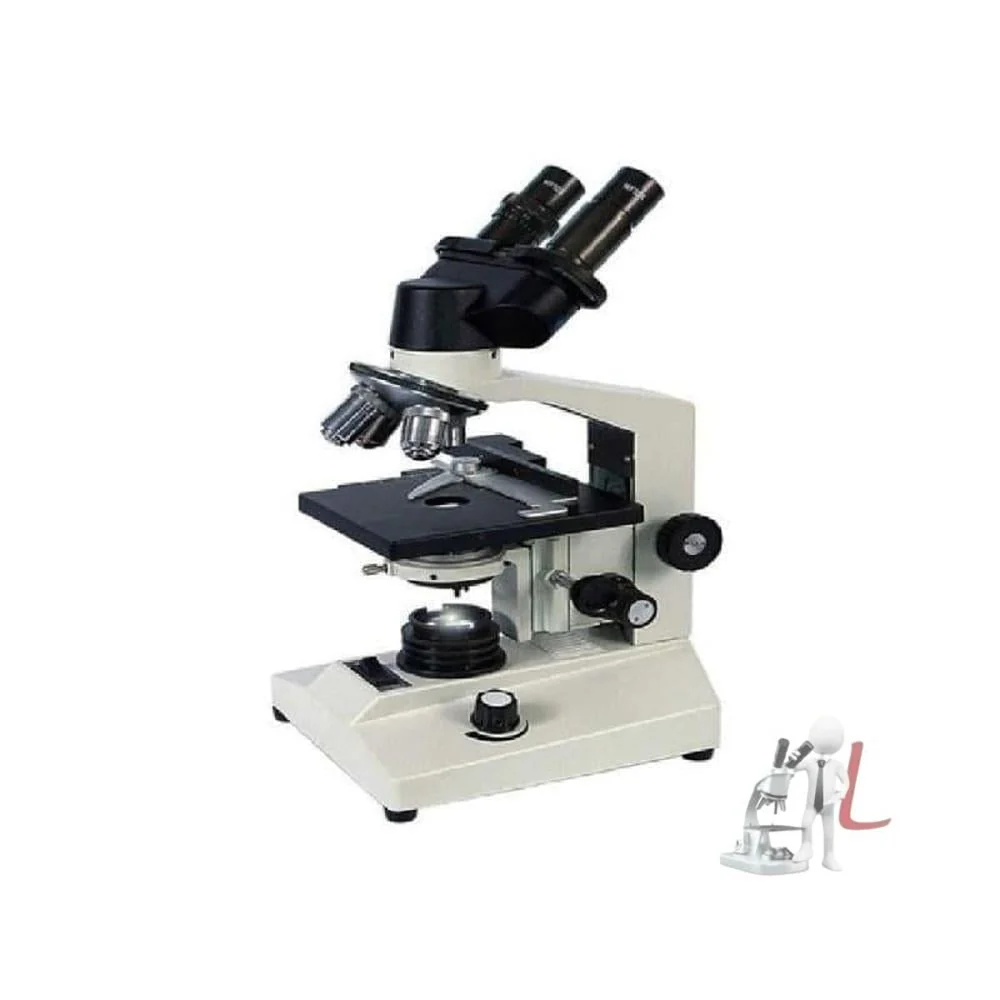
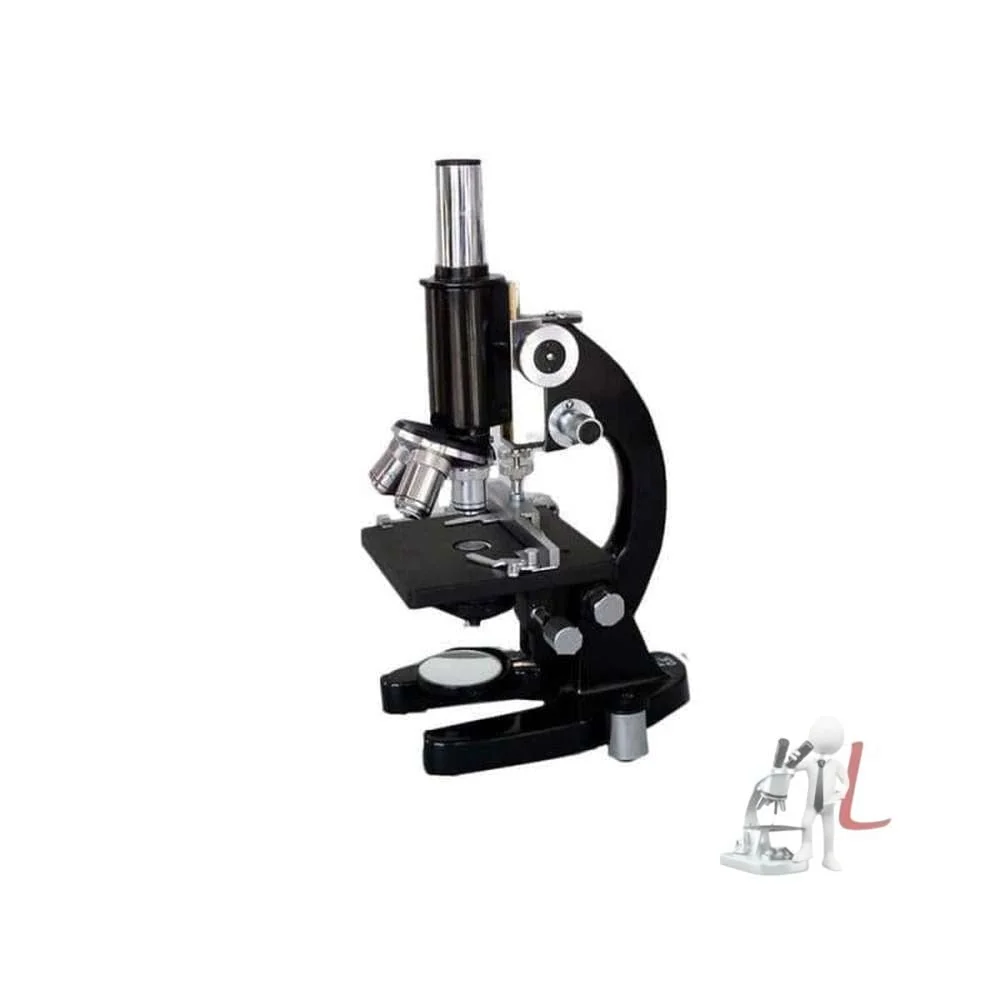
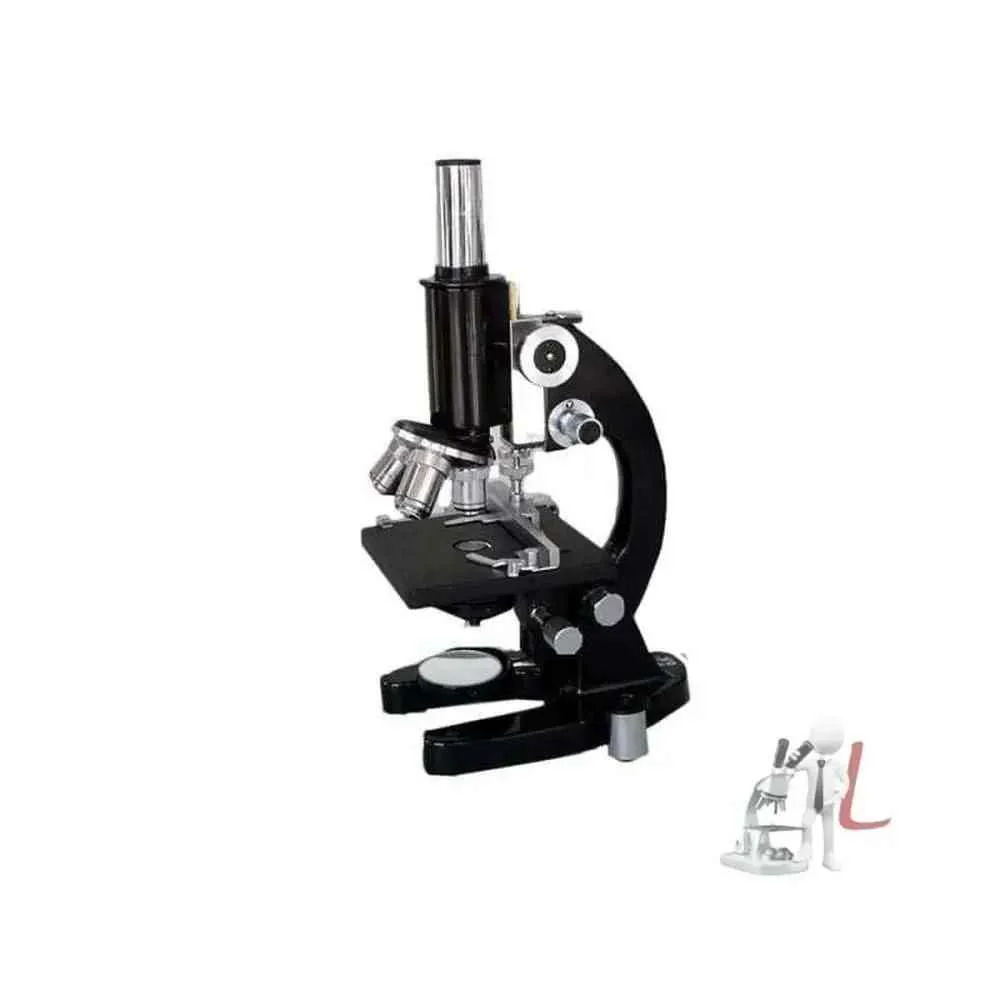
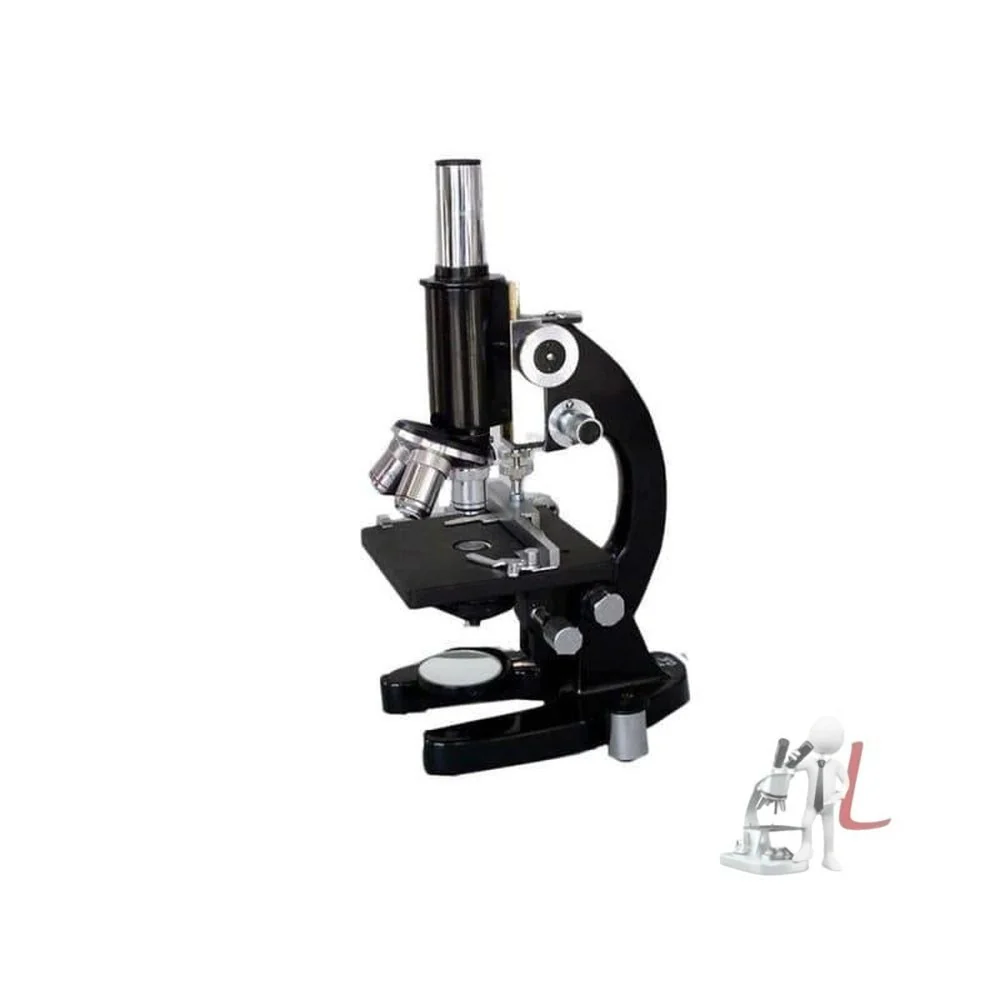
Pathological Co-axial Binocular Microscope
Co-axial Binocular Microscope: An Overview
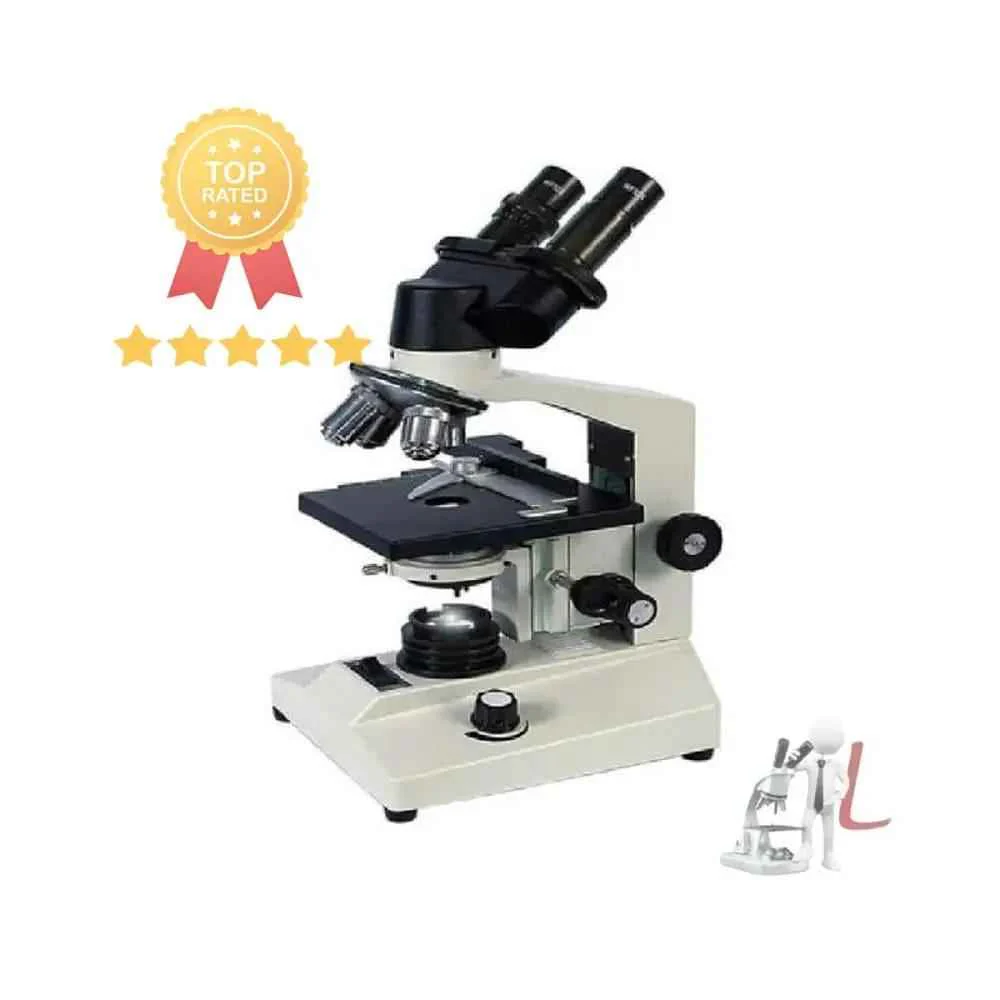
The co-axial binocular microscope is an essential tool in the field of pathology, offering unparalleled precision and clarity. It combines advanced optical technology with user-friendly design, ensuring optimal viewing experiences for pathologists and researchers alike.
Binocular Microscope with LED Light
Product Highlights
- Sturdy Metal Construction with precision-engineered all-glass optics
- Wide Voltage Compatibility: SMPS-based power supply (100V – 220V)
- Ergonomic Design with CLARITY™ Optics for high-quality imaging
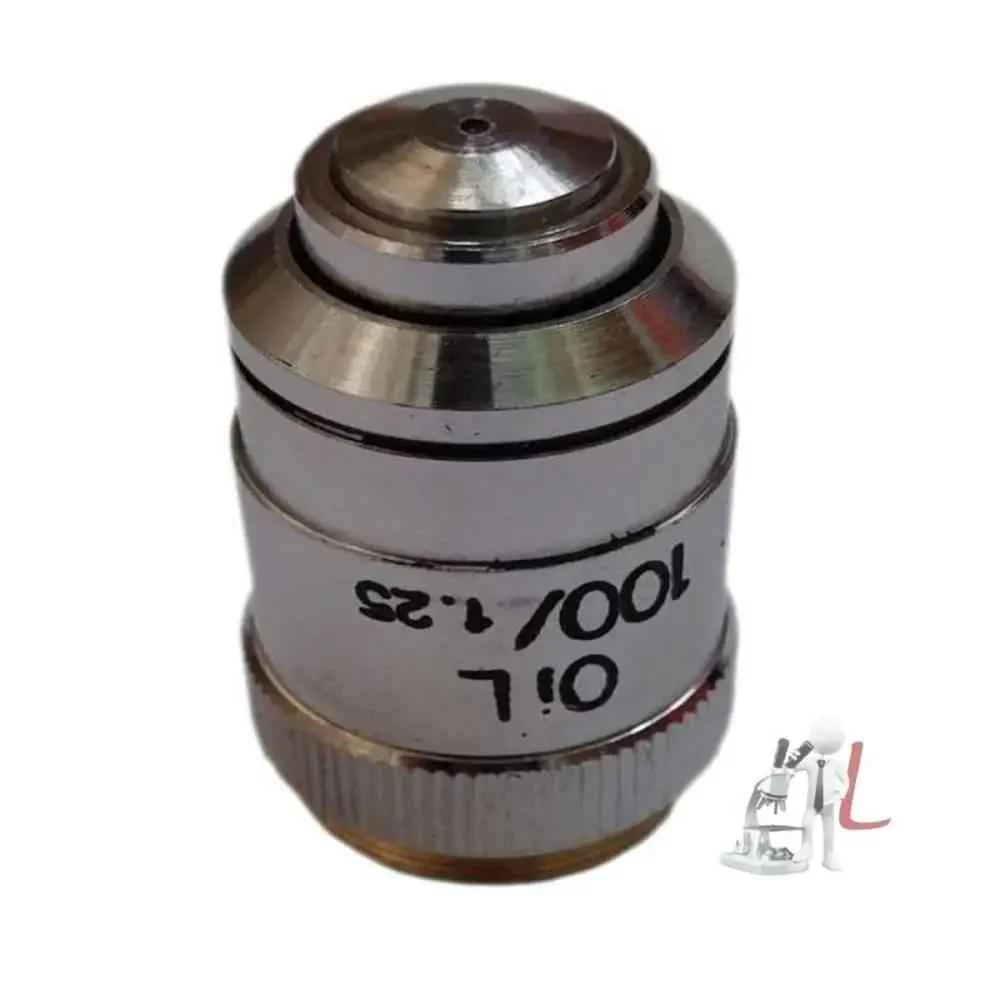
- Magnification Options: 8 configurations – 40X, 60X, 100X, 150X, 400X, 600X, 1000X, 1500X
- Optical Quality: CLARITY™ Glass Optics with anti-fungal and anti-reflection coatings
- Para-Focused Objectives: No image shift during magnification change
- Application: Ideal for doctors, pathologists, veterinary use, students, and researchers
- Quadruple Nosepiece: With positive click-stops for accurate objective alignment
- Movable Abbe Condenser (N.A. 1.25) with adjustable iris diaphragm
- Slide & Objective Protection: Integrated upward stage stopper
- Dual Side Coarse & Fine Focus controls for precision
- Standard LED Illumination (Halogen available on request)
- Durable Construction: Die-cast aluminum body and solid brass parts
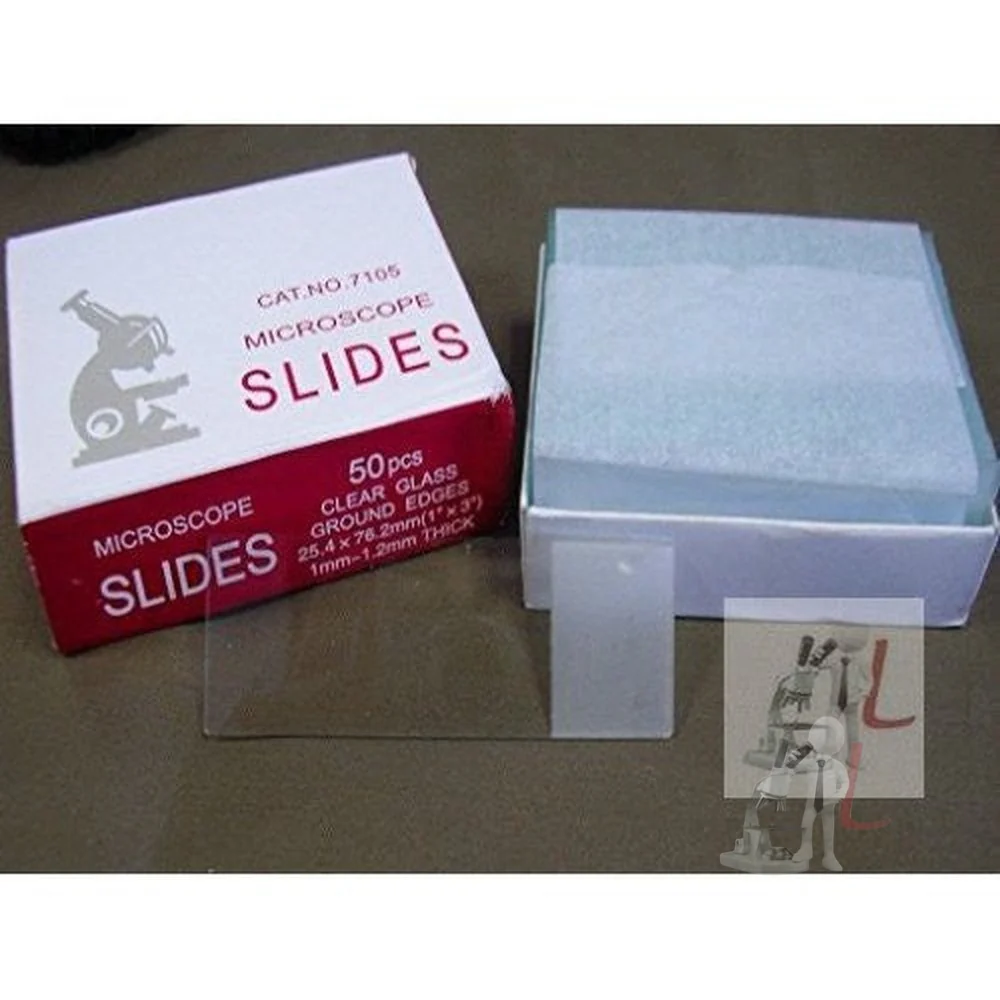
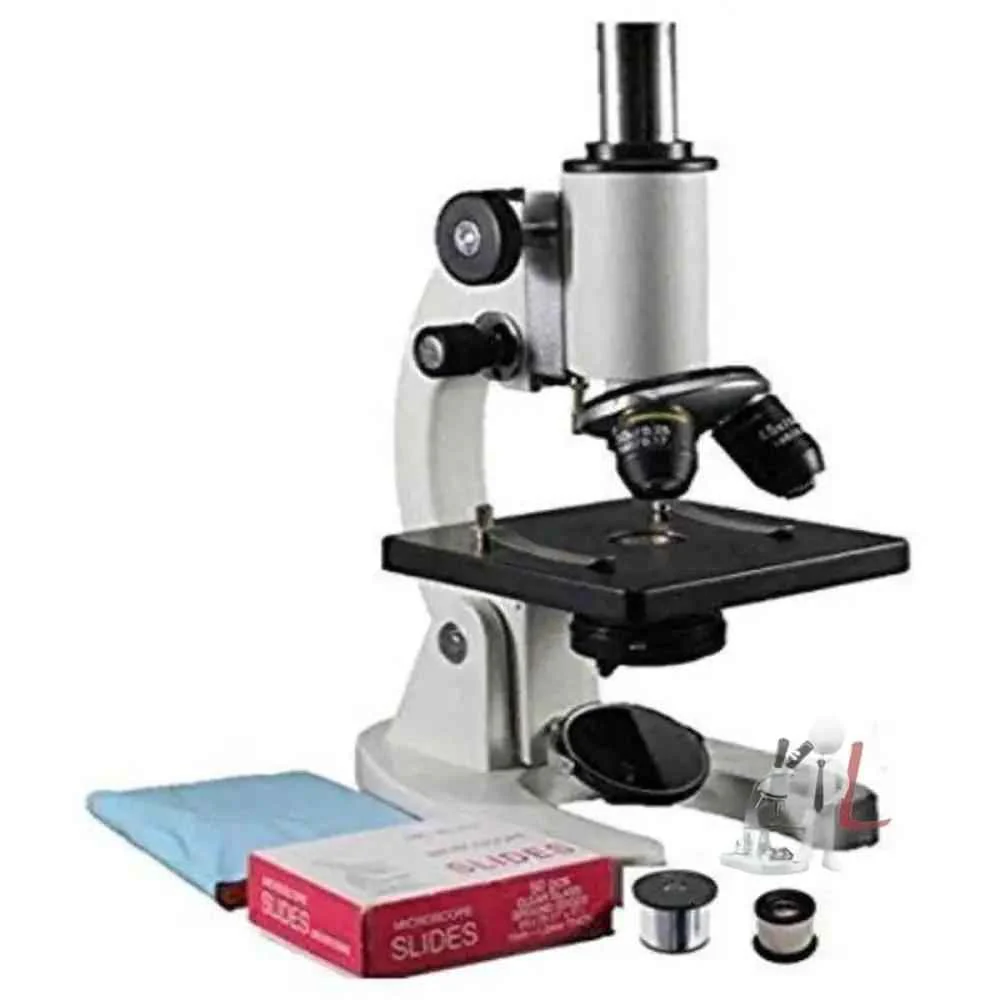
- Includes: Complimentary pack of 50 glass slides (75x26 mm, 1–1.2 mm thick) & cover slips
Technical Specifications
|
Component |
Details |
|
Observation Head |
Binocular, inclined at 45°, rotatable 360°, interpupillary range 54–74 mm, left eye dioptric adjustment |
|
Main Body |
Die-cast for enhanced durability and mechanical stability |
|
Focusing System |
Coarse and fine focusing knobs on both sides, ergonomically placed |
|
Magnification Levels |
40X, 60X, 100X, 150X, 400X, 600X, 1000X, 1500X |
|
Eyepieces |
Wide-field 10x and 15x pairs |
|
Objectives |
DIN 4x, 10x, 40x/45x (S.L.), 100x oil immersion (S.L.) |
|
Nosepiece |
Quadruple, ball-bearing mounted with positive click-stops |
|
Mechanical Stage |
Low-position co-axial X-Y stage (120 x 125 mm) with fine vernier graduations |
|
Condenser |
Abbe condenser (N.A. 1.25), aspherical lens, with adjustable iris diaphragm |
|
Illumination |
Inbuilt white LED illumination, SMPS-based power supply (100–220V AC) |
Note:
- Optional Halogen illumination available upon request.
- Payment & Shipping: Escrow recommended for secure transactions. Payment via credit card, Visa, MasterCard, Western Union, and others supported. Please ensure your shipping address is correct and complete.
One of the key features of the co-axial binocular microscope is its ability to provide simultaneous viewing through two eyepieces, facilitating detailed observation and analysis. This design minimizes eye strain and enhances comfort during extended use, making it ideal for long hours of examination.
Additionally, the co-axial design allows for perfect alignment of the visual field, which is critical when comparing specimens or conducting diagnostics. Pathologists often rely on this precise alignment for accurate results, making the co-axial binocular microscope a crucial component in medical facilities.
Moreover, the optical system employed in the co-axial binocular microscope is engineered to deliver bright, high-resolution images. The use of premium optical glass and advanced coatings ensures that the images are clear, with high color fidelity and contrast. This feature is particularly significant when examining stained tissue samples, as it allows pathologists to identify cellular details and anomalies effectively.
The versatility of the co-axial binocular microscope is also noteworthy. It can be equipped with various accessories, such as digital cameras for image capture, additional lenses for different magnifications, and even fluorescence detection systems. These enhancements expand the capabilities of the microscope, making it suitable for various applications, including educational purposes, research, and clinical diagnostics.
In terms of ergonomics, the co-axial binocular microscope is designed with the user’s comfort in mind. The adjustable eyepieces and adjustable stage height allow for customization based on the user’s physical attributes and preferences. This adaptability not only enhances comfort but also promotes better posture during use, which is critical for those who engage in lengthy microscopy sessions.
Maintenance and durability are also important factors when considering the co-axial binocular microscope. Many models are built with robust materials that can withstand the rigors of daily use in clinical settings. Regular maintenance, including cleaning the optical surfaces and calibrating the microscope, ensures that the instrument continues to perform at its best, delivering accurate and reliable results over time.
Finally, the co-axial binocular microscope represents a blend of tradition and modern technology. While traditional optical microscopes have been a staple in pathology for centuries, modern advancements have significantly improved their functionality and ease of use. The integration of digital technology allows for better data management and analysis, which is crucial in today’s fast-paced medical environment.
In conclusion, the co-axial binocular microscope stands out as a vital instrument in the practice of pathology. Its design enhances user experience, provides superior optical quality, and accommodates various applications tailored to the user’s needs. For any pathologist or researcher aiming for accuracy and efficiency in their microscopic examinations, investing in a co-axial binocular microscope is a decision that pays dividends in both the short and long run.
 |
 |
 |
Original: $146.74
-70%$146.74
$44.02Product Information
Product Information
Shipping & Returns
Shipping & Returns
Description
Co-axial Binocular Microscope: An Overview
The co-axial binocular microscope is an essential tool in the field of pathology, offering unparalleled precision and clarity. It combines advanced optical technology with user-friendly design, ensuring optimal viewing experiences for pathologists and researchers alike.
Binocular Microscope with LED Light
Product Highlights
- Sturdy Metal Construction with precision-engineered all-glass optics
- Wide Voltage Compatibility: SMPS-based power supply (100V – 220V)
- Ergonomic Design with CLARITY™ Optics for high-quality imaging
- Magnification Options: 8 configurations – 40X, 60X, 100X, 150X, 400X, 600X, 1000X, 1500X
- Optical Quality: CLARITY™ Glass Optics with anti-fungal and anti-reflection coatings
- Para-Focused Objectives: No image shift during magnification change
- Application: Ideal for doctors, pathologists, veterinary use, students, and researchers
- Quadruple Nosepiece: With positive click-stops for accurate objective alignment
- Movable Abbe Condenser (N.A. 1.25) with adjustable iris diaphragm
- Slide & Objective Protection: Integrated upward stage stopper
- Dual Side Coarse & Fine Focus controls for precision
- Standard LED Illumination (Halogen available on request)
- Durable Construction: Die-cast aluminum body and solid brass parts
- Includes: Complimentary pack of 50 glass slides (75x26 mm, 1–1.2 mm thick) & cover slips
Technical Specifications
|
Component |
Details |
|
Observation Head |
Binocular, inclined at 45°, rotatable 360°, interpupillary range 54–74 mm, left eye dioptric adjustment |
|
Main Body |
Die-cast for enhanced durability and mechanical stability |
|
Focusing System |
Coarse and fine focusing knobs on both sides, ergonomically placed |
|
Magnification Levels |
40X, 60X, 100X, 150X, 400X, 600X, 1000X, 1500X |
|
Eyepieces |
Wide-field 10x and 15x pairs |
|
Objectives |
DIN 4x, 10x, 40x/45x (S.L.), 100x oil immersion (S.L.) |
|
Nosepiece |
Quadruple, ball-bearing mounted with positive click-stops |
|
Mechanical Stage |
Low-position co-axial X-Y stage (120 x 125 mm) with fine vernier graduations |
|
Condenser |
Abbe condenser (N.A. 1.25), aspherical lens, with adjustable iris diaphragm |
|
Illumination |
Inbuilt white LED illumination, SMPS-based power supply (100–220V AC) |
Note:
- Optional Halogen illumination available upon request.
- Payment & Shipping: Escrow recommended for secure transactions. Payment via credit card, Visa, MasterCard, Western Union, and others supported. Please ensure your shipping address is correct and complete.
One of the key features of the co-axial binocular microscope is its ability to provide simultaneous viewing through two eyepieces, facilitating detailed observation and analysis. This design minimizes eye strain and enhances comfort during extended use, making it ideal for long hours of examination.
Additionally, the co-axial design allows for perfect alignment of the visual field, which is critical when comparing specimens or conducting diagnostics. Pathologists often rely on this precise alignment for accurate results, making the co-axial binocular microscope a crucial component in medical facilities.
Moreover, the optical system employed in the co-axial binocular microscope is engineered to deliver bright, high-resolution images. The use of premium optical glass and advanced coatings ensures that the images are clear, with high color fidelity and contrast. This feature is particularly significant when examining stained tissue samples, as it allows pathologists to identify cellular details and anomalies effectively.
The versatility of the co-axial binocular microscope is also noteworthy. It can be equipped with various accessories, such as digital cameras for image capture, additional lenses for different magnifications, and even fluorescence detection systems. These enhancements expand the capabilities of the microscope, making it suitable for various applications, including educational purposes, research, and clinical diagnostics.
In terms of ergonomics, the co-axial binocular microscope is designed with the user’s comfort in mind. The adjustable eyepieces and adjustable stage height allow for customization based on the user’s physical attributes and preferences. This adaptability not only enhances comfort but also promotes better posture during use, which is critical for those who engage in lengthy microscopy sessions.
Maintenance and durability are also important factors when considering the co-axial binocular microscope. Many models are built with robust materials that can withstand the rigors of daily use in clinical settings. Regular maintenance, including cleaning the optical surfaces and calibrating the microscope, ensures that the instrument continues to perform at its best, delivering accurate and reliable results over time.
Finally, the co-axial binocular microscope represents a blend of tradition and modern technology. While traditional optical microscopes have been a staple in pathology for centuries, modern advancements have significantly improved their functionality and ease of use. The integration of digital technology allows for better data management and analysis, which is crucial in today’s fast-paced medical environment.
In conclusion, the co-axial binocular microscope stands out as a vital instrument in the practice of pathology. Its design enhances user experience, provides superior optical quality, and accommodates various applications tailored to the user’s needs. For any pathologist or researcher aiming for accuracy and efficiency in their microscopic examinations, investing in a co-axial binocular microscope is a decision that pays dividends in both the short and long run.
|
|
|